

Tunley Environmental has released its updated Guide to Sustainable Manufacturing to help businesses trying to plan their sustainability strategy.
As sustainability requirements evolve, including EU measures on sustainable product design and corporate sustainability reporting, manufacturers face growing expectations to understand and demonstrate their environmental impacts.
Alongside regulatory developments, customer requests for emissions data, supply-chain transparency and evidence of product sustainability are making environmental assessments an increasingly important part of business planning.
How manufacturers can turn sustainability data into practical action
This updated guide from Tunley brings together recommendations for businesses seeking to understand their environmental impacts and decide where to focus their efforts.
It addresses what the company said are "common challenges," including issues such as energy-intensive production, limited visibility into supplier emissions and growing requests for verified product data.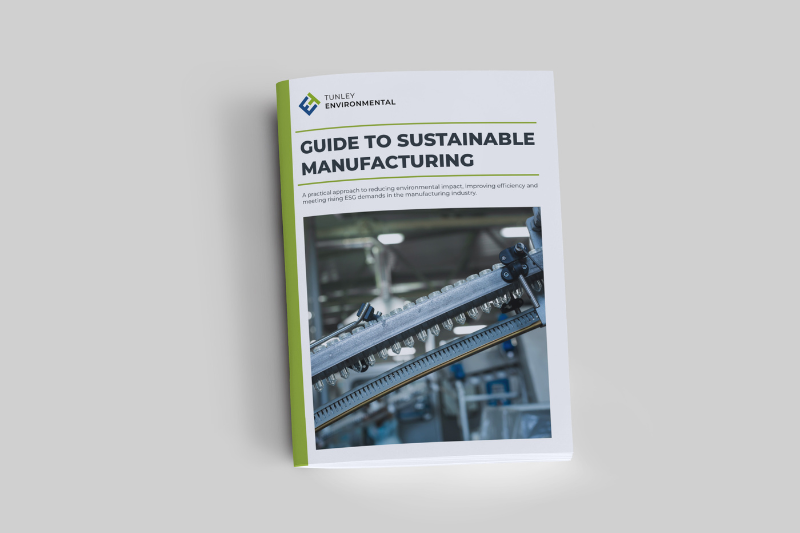
The guide explains how manufacturers can build that understanding through Life Cycle Assessments (LCAs), Environmental Product Declarations (EPDs) and Business Carbon Assessments.
The company said that it also examines how findings can inform material choices, product design, supplier engagement and emissions reduction plans.
The guide uses the following six core pillars to connect day-to-day manufacturing strategy with sustainability for readers:
- energy efficiency
- materials and product design
- resource optimisation
- supply chain transparency
- cleaner technology
- and verified reporting.
The guide highlights the importance of balancing environmental goals with profitability, urging manufacturers to establish a baseline, prioritise achievable improvements and assign responsibilities along with budgets and timelines.
Key recommendations include upgrading equipment, recovering heat, reducing waste and incorporating sustainability criteria in procurement.
The publication also introduces regulatory and reporting topics relevant to manufacturers, including EU and UK Carbon Border Adjustment Mechanisms (CBAM), sustainability reporting and environmental claims.
It encourages readers to distinguish between applicable legal duties, customer requests and voluntary commitments.
The updated Guide to Sustainable Manufacturing is available to download here.


