

SmartyPants Vitamins has expanded its presence in the prenatal category with the launch of a new capsule format codeveloped with an OB-GYN, as the brand looks to strengthen its clinical positioning and broaden appeal beyond its established gummy portfolio.
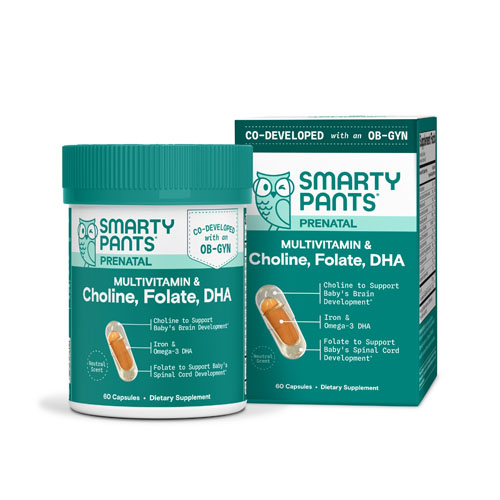
Developed in partnership with board-certified OB-GYN, Dr Michelle Tsai, the prenatal capsule reflects a wider industry shift towards practitioner-led product development, particularly within maternal health.
The formulation is designed to support foetal brain development and overall growth, with an emphasis on delivering clinically relevant nutrient levels in bioavailable forms.
A key point of differentiation is the product’s choline content, providing 480 mg per serving.
The inclusion targets a recognised gap in prenatal nutrition, as choline continues to gain traction for its role in early cognitive development but remains underrepresented in many standard prenatal supplements.
The move into capsules marks a strategic evolution for SmartyPants, which has historically been synonymous with gummy delivery formats.
By expanding into capsules, the company is aligning more closely with healthcare practitioner preferences and addressing consumer demand for lower-sugar, more traditional supplement formats during pregnancy.
From a formulation standpoint, the product incorporates bioavailable nutrient forms, including methylated folate and vitamin B12, as well as iron for improved tolerability.
Digestive comfort remains a key consideration in the prenatal segment, in which adherence can be impacted by gastrointestinal side-effects.
The launch highlights ongoing premiumisation within the prenatal category, as brands increasingly compete on scientific credibility, ingredient quality and targeted nutritional claims.
Collaboration with medical professionals is becoming a more prominent strategy, helping to build trust with both consumers and healthcare practitioners.
For the trade, the introduction of clinically positioned, practitioner-backed prenatal formats presents opportunities to diversify assortments and meet rising demand for efficacy led products.
It also reflects a broader convergence between consumer wellness and clinical nutrition, particularly in life-stage categories such as pregnancy.
As competition intensifies, differentiation through format innovation and science-led formulation is expected to remain a key driver of growth in the prenatal space, with brands continuing to invest in credibility and targeted health outcomes.


