
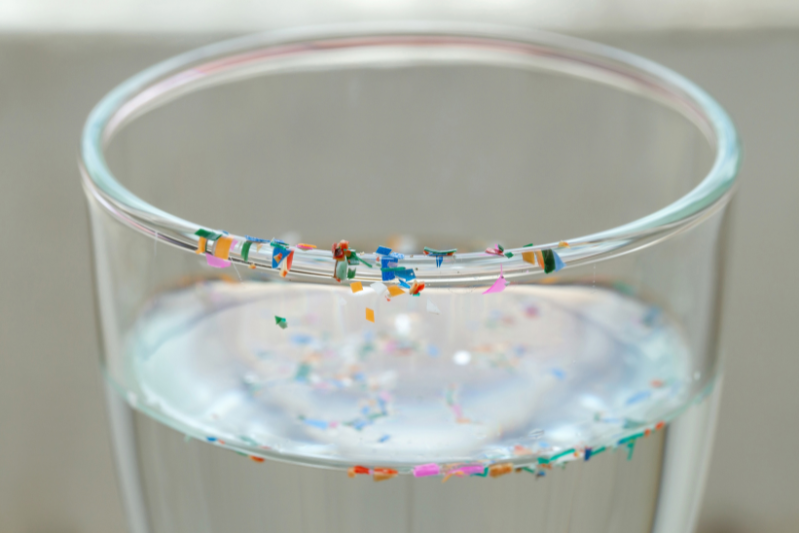
Sifts was built around a simple reality: microplastics have become embedded in the food chain, making complete avoidance unrealistic. More consumers are becoming aware that microplastics are showing up in our food, water and even in our bodies.
Many are taking steps to cut down on their exposure by using filters, opting for glass storage, choosing cleaner packaging and sourcing their food more carefully. These actions are important, but they don’t fully tackle what happens after we consume these microplastics.
That gap points to an emerging category we are working to define: Daily Environmental Exposure Support. This is neither a disease category nor a promise to fully solve microplastic exposure; instead, it focuses on supporting the body’s ability to handle unavoidable modern environmental particles.
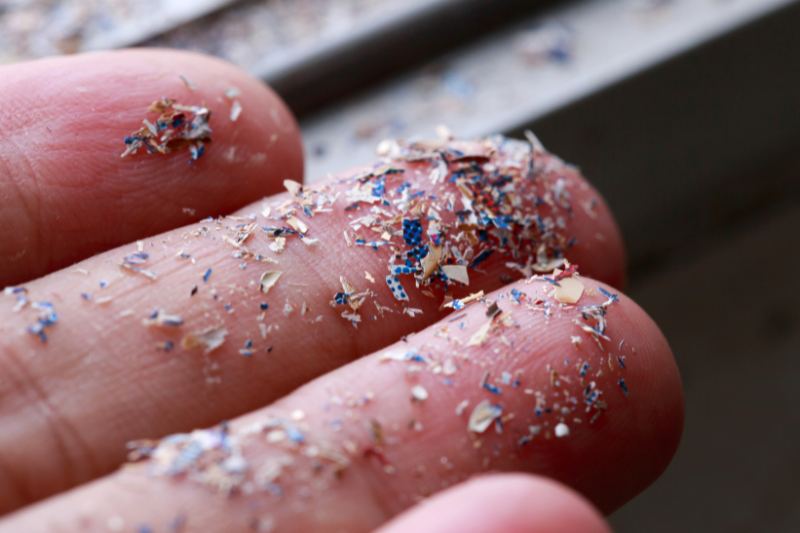 The evidence base for the approach we use should be understood in layers. First, there is the broader microplastics literature, which makes it clear that this issue has moved from an environmental concern to a human exposure and health-relevant question. Microplastics are now recognised as widespread environmental contaminants, with studies reporting their presence in human blood, lung tissue and placenta.
Other research has associated micro- and nanoplastics with findings in carotid artery plaque, semen quality and brain tissue, among other areas of the body. These studies don't prove that any specific intervention solves the issue, but they help to explain why consumers and researchers are paying attention.
As microplastic-focused supplementation and the research around it are still developing, claims discipline should come first. There is real consumer concern about the topic and the emerging research is compelling enough to make the space interesting. But the evidence must be handled carefully.
The goal shouldn’t be to promise a complete detox, total removal or guaranteed changes in the body’s microplastic burden; instead, it’s to describe plausible, testable mechanisms that support normal digestive processes and the body's natural elimination pathways.
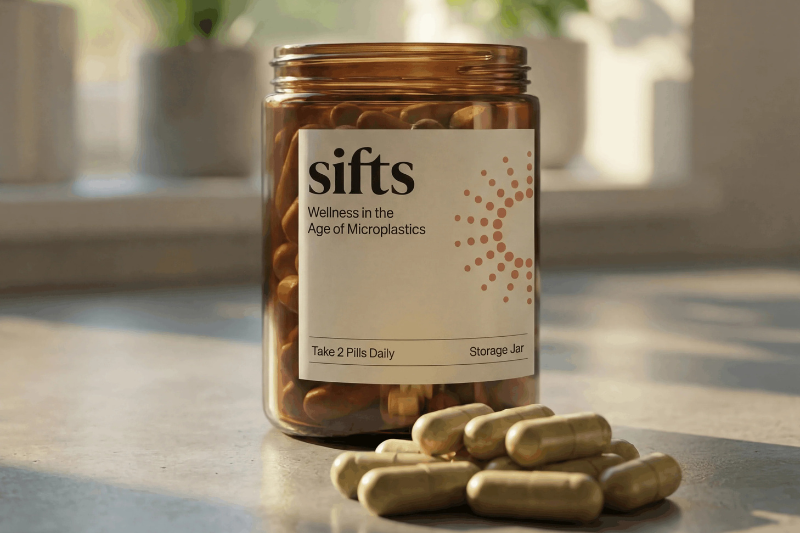 For Sifts, that meant starting with the gastrointestinal tract; ingestion is a primary route for exposure and the gut is the first site where a dietary supplement can plausibly and effectively act.
The formulation process at Sifts therefore began with the question: which ingredients have a credible mechanistic fit to interact with microplastics during digestion? We looked at whether certain dietary fibres and gut-supportive ingredients could play a role in gastrointestinal binding, transit, elimination and barrier support. That led us to what we describe as the binder-barrier method.


