
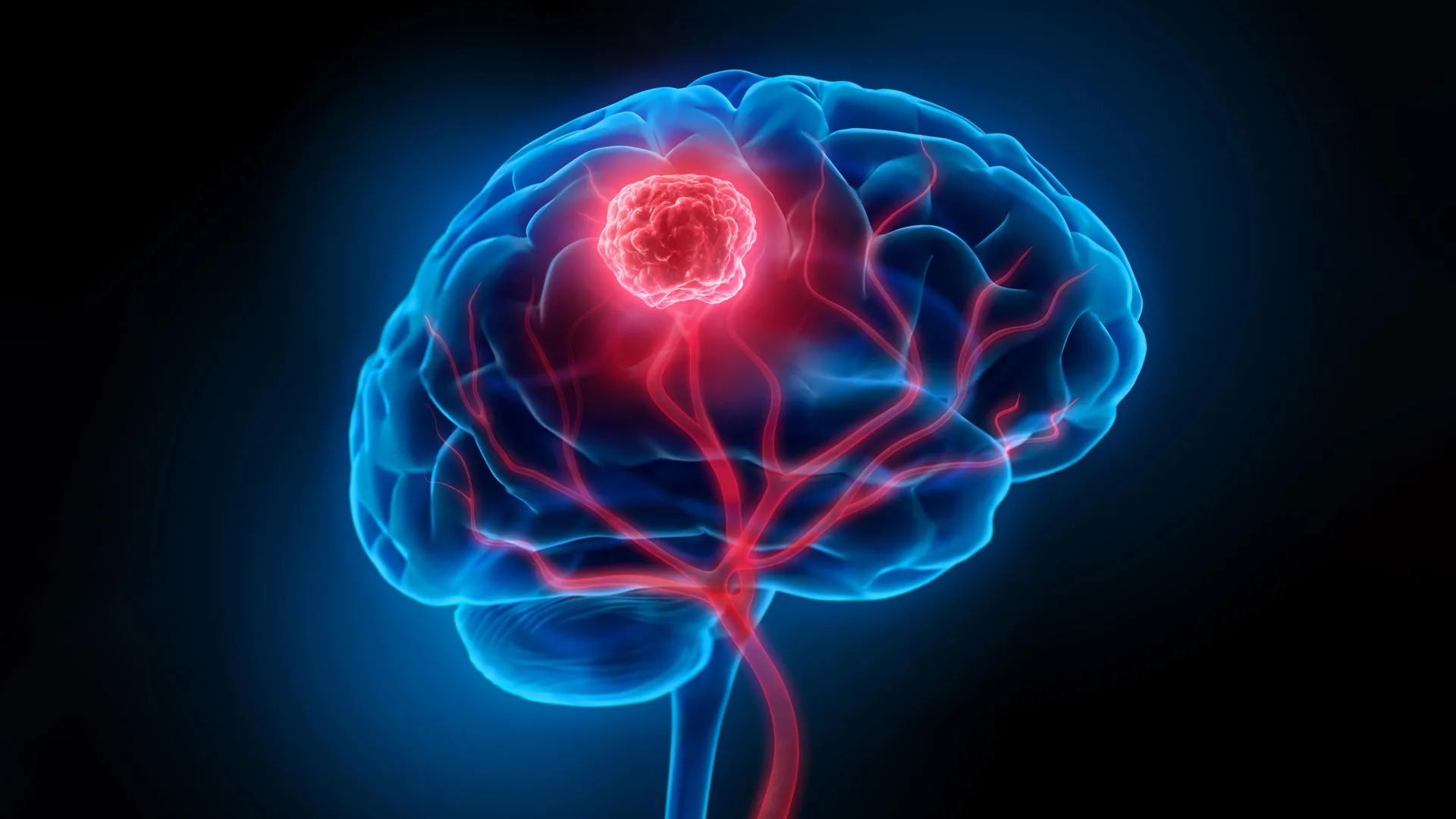
A simple combination of resveratrol and copper may offer a surprising new avenue for treating glioblastoma, one of the most aggressive forms of brain cancer, according to new research from the Advanced Centre for Treatment, Research and Education in Cancer (ACTREC) in Mumbai, India.
The study, published in BJC Reports, challenges the long-held assumption that cancer must be destroyed to be treated.
Instead, the team, led by Professor Indraneel Mittra, explored whether tumours could be coaxed into a less aggressive, “healing” state using a low-cost nutraceutical approach.
The study
Ten patients with glioblastoma received a small resveratrol-copper tablet four times a day for around 12 days before surgery, while a matched group of ten did not receive the supplement.
Analysis of tumour samples taken during surgery revealed dramatic biological differences between the two groups.
Markers linked to tumour growth, cancer “hallmarks”, immune checkpoints and stem-cell behaviour were all significantly lower in treated patients.
Ki-67 levels — a standard indicator of how fast tumour cells are dividing — were nearly one-third lower in the treatment group.
Immune checkpoint proteins, often targeted by high-cost oncology drugs, were reduced by an average of 41%.
Importantly, the patients experienced no side effects.
The team believes the effect stems from the supplement’s ability to neutralise cell-free chromatin particles — DNA fragments released by dying cancer cells that can fuel inflammation and tumour progression.
These particles were abundant in untreated tumours but almost absent in treated samples.
Professor Mittra suggests the approach could represent a low-toxicity adjunct to existing treatments and potentially shift the broader philosophy of cancer care: “Maybe it’s time to work towards healing tumours rather than annihilating them.”
He emphasised that the study is small, but the results warrant larger trials to validate the findings.


