
A newly published clinical study in Cureus Journal of Medical Science shows that Pycnogenol, a natural plant extract from the bark of the French maritime
pine tree, can significantly relieve the symptoms of lipoedema, reduce body fat and improve self-esteem associated with the condition.
Lipedema is a chronic and often misunderstood condition that affects around 400 million women globally.
It causes an abnormal and painful buildup of fat, most often in the legs, hips and buttocks.
It is frequently mistaken for obesity or lymphedema, often delaying diagnosis and leaving many women without effective treatment options.
About the study
The double-blind, placebo-controlled study included 100 women between the ages of 18 and 40 diagnosed with lipedema and aimed to evaluate the effectiveness of Pycnogenol in managing the condition.
Participants were monitored during a 60-day period, with half receiving Pycnogenol (50 mg, three times daily) and half receiving a placebo.
Researchers evaluated quality of life, body composition and symptom severity at the start, midpoint and conclusion of the study.
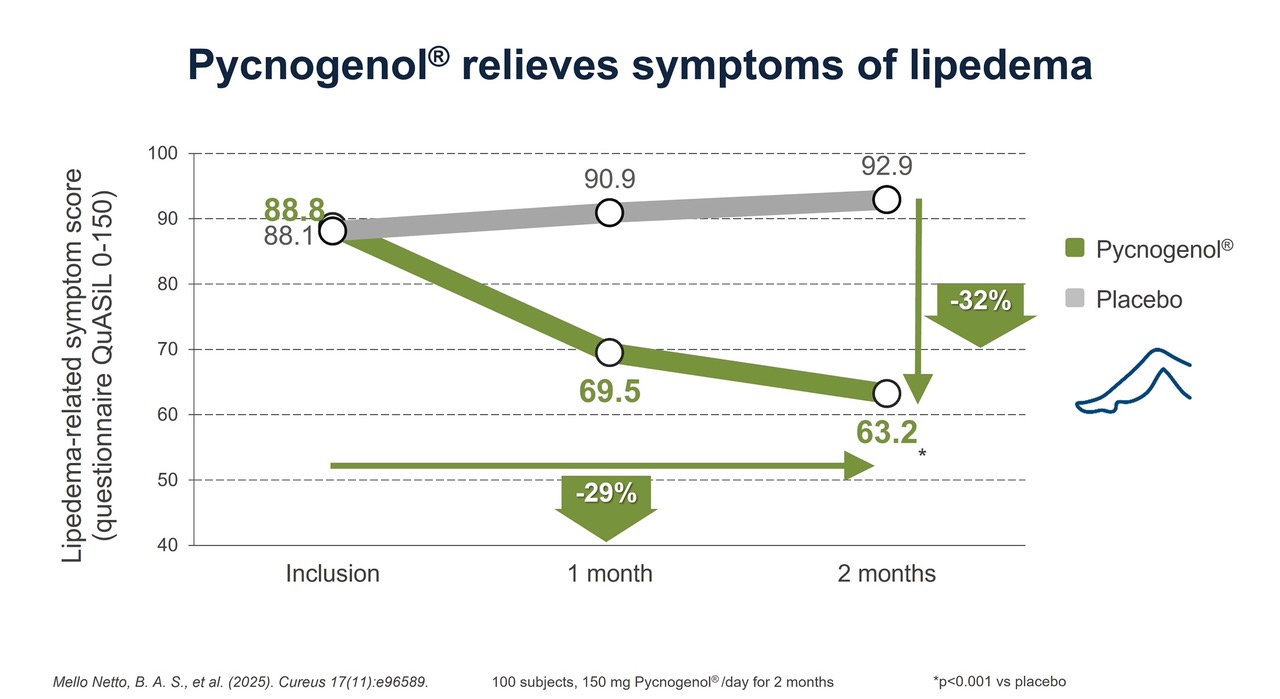
Symptom severity was assessed using the validated QuASiL scale. The evaluation included sensitivity, bruising, pressure, burning, cramps, heavy legs, swelling and itchiness.
Key findings
The study saw a 29% reduction in symptoms by day 60 among women taking Pycnogenol, while symptoms in the placebo group continued to worsen.
Pycnogenol provided significant relief across all reported symptoms, with important improvements seen in the most common problems of lipedema: swelling of the legs, heavy legs, tenderness and bruising.
Participants experienced an eight-per-cent reduction in body fat compared to the placebo group in just 60 days of Pycnogenol supplementation.
Women taking Pycnogenol reported an improvement in satisfaction with leg appearance, as well as quality of life.
No adverse effects were reported, supporting Pycnogenol’s strong safety profile as a natural, non-invasive management option.
Why this matters
Lipoedema disproportionately affects women, with an estimated 11% to 39% experiencing symptoms ranging from tenderness and easy bruising to a heavy, aching sensation in the legs.
Because it often develops or worsens during hormonal changes such as puberty, pregnancy or menopause, it can have lifelong consequences for physical and emotional health.
Despite its prevalence, there are currently no approved medications for the treatment of lipoedema and no widely accepted medical standard of care.
Most women rely on symptom-management strategies such as compression therapy, manual lymphatic drainage, physical therapy and lifestyle adjustments, which can help but do not address the underlying condition.
Pycnogenol’s benefits to Lipedema stem from its antioxidant and anti-inflammatory properties, which help strengthen blood vessel walls, improve microcirculation and support lymphatic flow.
These effects are particularly relevant for lipoedema, where impaired circulation contributes to chronic swelling and tissue discomfort.
"The lack of validated, accessible treatment options for women with lipedema often leaves them searching for alternatives that can meaningfully improve daily comfort and mobility," says natural physician and author, Dr Fred Pescatore.
"What makes these findings important is that Pycnogenol demonstrated measurable improvements in symptoms, including pain and tenderness relief, body composition and emotional well-being."
"Patients with lipedema now have a safe, natural option that may help fill a long-standing treatment gap."
The study, conducted at a vascular health clinic in Vitória, Brazil, was led by Dr Brenno Augusto Seabra de Mello Netto.
It represents one of the first clinical trials to evaluate a plant-based compound for managing lipoedema symptoms.