
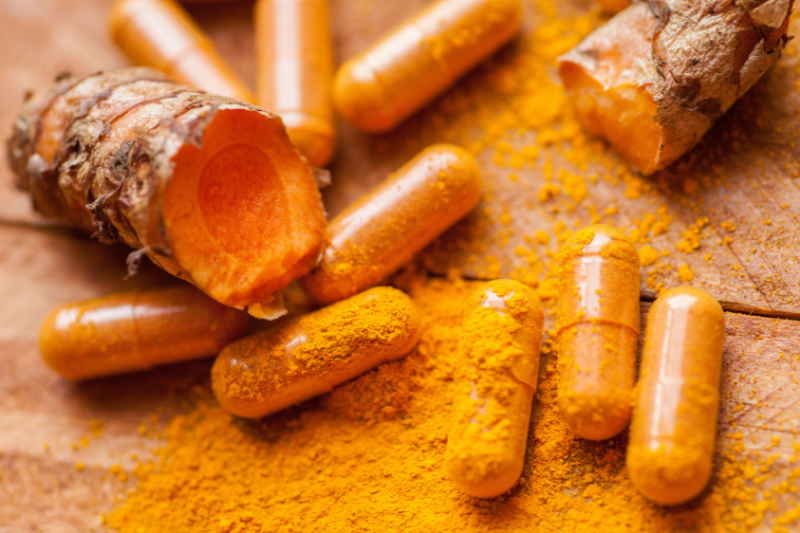
A new report has found that 22% of dietary and food supplements purporting to contain turmeric are adulterated—containing undeclared dyes, diluents or synthetic curcumin in place of, or alongside, the declared ingredient.
The research assessed a large body of studies evaluating the authenticity of commercial products containing turmeric (Curcuma longa), finding that adulteration is widespread across both the spice and supplement markets.
Overall, 20.0% of turmeric samples were found to be adulterated: spice samples had a rate of 20.4%, while dietary and food supplements had a slightly higher rate of 22.0%.1
The nature of adulteration differs significantly by product type and market channel. In the spice category, undeclared synthetic dyes and diluents—including starches, paprika, cumin and annatto—are the most common adulterants. In dietary and food supplements, however, the predominant issue is the sale of synthetic curcumin labelled as turmeric extract.
This practice allows manufacturers to produce lower-cost ingredients that technically meet stated total curcuminoid concentrations, without using genuine turmeric-derived material.


