
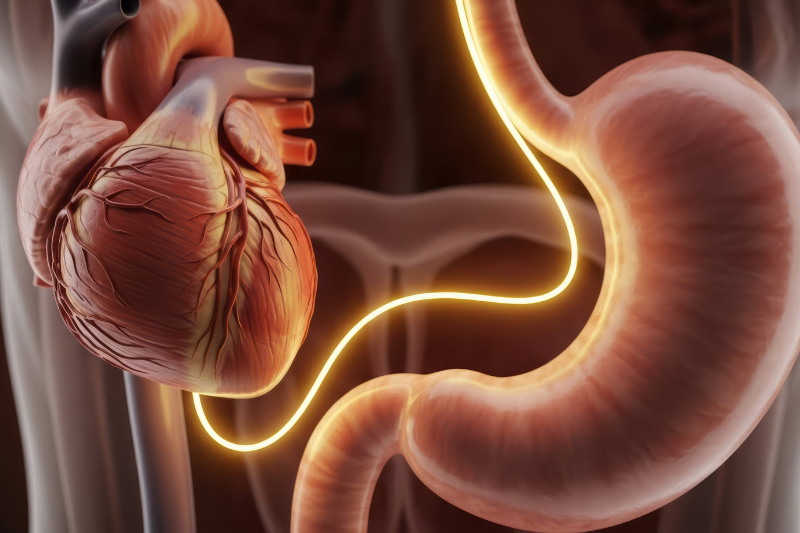
A team of researchers from the University of Leicester have found that gut microbes that thrive when people eat unhealthily could worsen heart failure.
In a study funded by the British Heart Foundation and published in the European Journal of Preventive Cardiology, the scientists found that poor gut health could increase the risk of dying early or being hospitalised by almost ten per cent for people with heart failure.
The research developed an algorithm that classifies heart failure patients as high, low, or intermediate risk for death or hospital readmission, considering 11 factors such as age, diabetes, COPD, medications, past hospitalisations and heart failure severity.
Typically, doctors assess these risks without factoring in gut microbes, although evidence suggests these microbes, influenced by diet, can impact heart health through inflammation.
In this study, the researchers measured gut-related chemicals in the blood, such as gamma-butyrobetaine and acetyl-L-carnitine, which are higher in individuals consuming a Western-style diet rich in red meat and eggs. They found that patients with elevated levels of these chemicals were more likely to face serious health risks within a year.
The team says the benefits of eating a balanced and varied diet go beyond maintaining a healthy weight and keeping cholesterol in check—feeding the 'good' microbes in the gut could be an effective way to support the heart in patients with cardiovascular disease.
To add to this, previous research has also found that poor gut health is commonly seen in people with advanced heart failure.
Professor Toru Suzuki, Professor of Cardiovascular Medicine at the University of Leicester, who led the study, said: "This study provides clear further evidence of the powerful influence the gut microbiome has over cardiovascular health."
"Our research has now found a way to harness that power, improving the tools doctors use to predict risk when treating seriously ill patients."
Professor Bryan Williams, Chief Scientific and Medical Officer at the British Heart Foundation, said: "Research continues to reveal a potential link between gut health and heart health. This study evaluated whether the assessment of gut health might help predict patient outcomes if they have heart failure."
It also raises the intriguing question as to whether taking action to improve gut health might help improve the outcome of patients with heart failure. This would require further research.
For those in the nutraceutical sector, the research confirms the connection between gut microbiota, metabolic health and cardiovascular function.
Those developing products that leverage the gut-heart axis may find this research particularly compelling, as it lends clinical credibility to formulations targeting the microbiome—whether through prebiotics, probiotics, or dietary interventions—as a meaningful strategy for supporting heart health in at-risk populations.


