
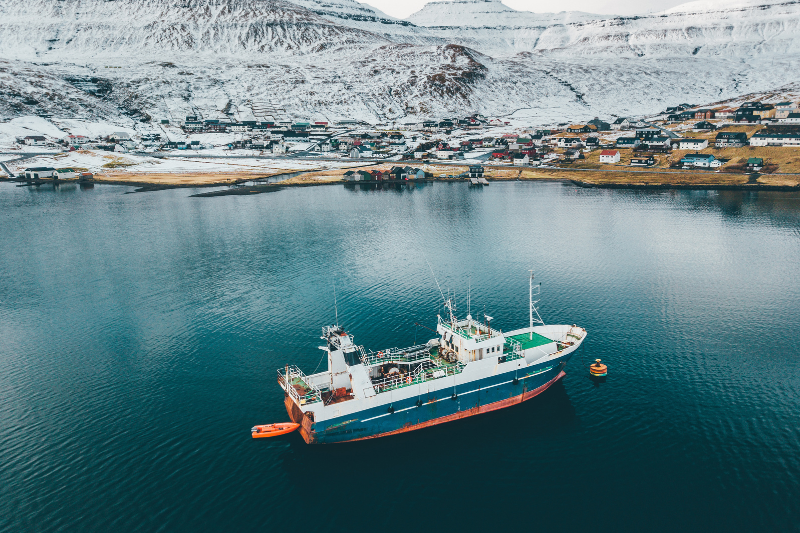
The State of World Fisheries and Aquaculture (SOFIA) 2026 report found that 100% of the 15 assessed fish stocks across the three Antarctic FAO areas are "biologically sustainable."
The finding marks the second consecutive report in which all assessed Antarctic stocks have been classified as sustainable.
The result contrasts with the wider global picture, where the proportion of biologically sustainable fish stocks fell from 64.5% to 62.4%, according to the assessment.
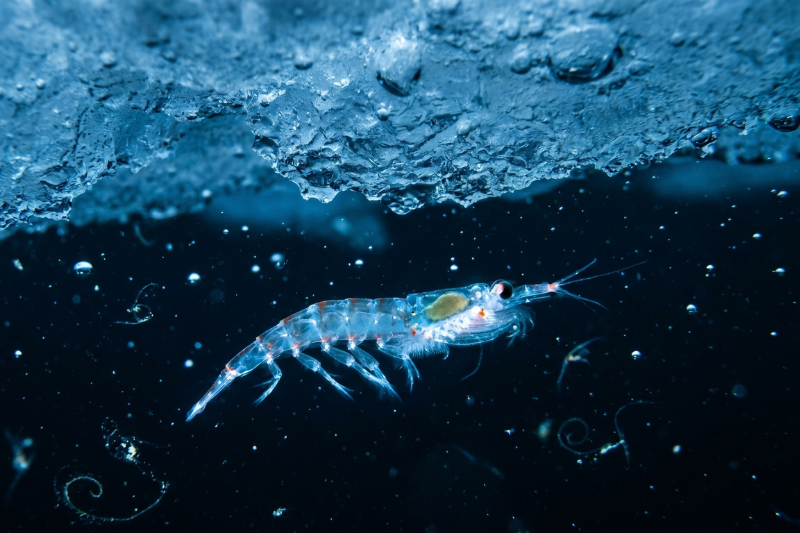 Antarctic krill is identified by the FAO as the primary target species in the region, alongside toothfish. The small crustacean is a source of long-chain omega-3 fatty acids, including EPA and DHA, as well as the antioxidant astaxanthin. Plus, krill oil is also widely used in food supplements.
For nutraceutical manufacturers and ingredient suppliers, the findings could provide further support for the sustainability credentials of krill oil as a source of omega-3s.
However, the sustainability of the Antarctic krill fishery remains a subject of wider discussion, given the species' central role in the Southern Ocean food web and concerns around the potential impact of fishing on predators that rely on krill.
Dr Simeon Hill, a Marine Ecologist and Fisheries Modeller at the British Antarctic Survey, cautioned that though the fishery itself may be sustainable, the total effect on the wider ecosystem may not be.
"The krill fishery takes a small fraction (<1%) of total krill biomass and is sustainable by the FAO's definition ... which considers effects on the fished stock, but not on the rest of the ecosystem."
"A fishery that is sustainable in the broader sense of having minimal impact on the ecosystem is possible if fishing can be better separated from predation, but CCAMLR has not yet managed to achieve this."
"Continued climate change is likely to reduce krill biomass and increase the ecosystem impact of fishing, meaning that long-term sustainability is not guaranteed."
The Antarctic krill fishery is managed by the Commission for the Conservation of Antarctic Marine Living Resources (CCAMLR), which uses scientific advice and precautionary management measures to regulate harvesting.
CCAMLR's scientific framework is designed to consider both the target krill population and the wider Antarctic ecosystem (such as birds, mammals and fish that feed on krill) when developing management measures.
Dr Hill added: "CCAMLR’s Scientific Committee recognises that current management of the krill fishery "is not precautionary" (CCAMLR SC Report 2025 Para 2.25) because it allows concentrated catches in areas where these predators feed."
Industry reaction
Nonetheless, Aker BioMarine, a major supplier of krill-derived ingredients for the nutrition industry, welcomed the FAO's report.


