
Producers operating in nutraceuticals and speciality ingredients face mounting scrutiny from regulators, brand owners and end consumers alike.
Expectations now extend beyond basic compliance to encompass transparency, traceability and cultural alignment across international markets.
Against this backdrop, internationally recognised standards such as FSSC 22000 (Food Safety System Certification) and Halal certification are playing an increasingly strategic role.
Rather than acting as administrative checkpoints, these frameworks are becoming foundational tools to strengthen supply chain resilience, manage risk and support cross‑cultural trust.
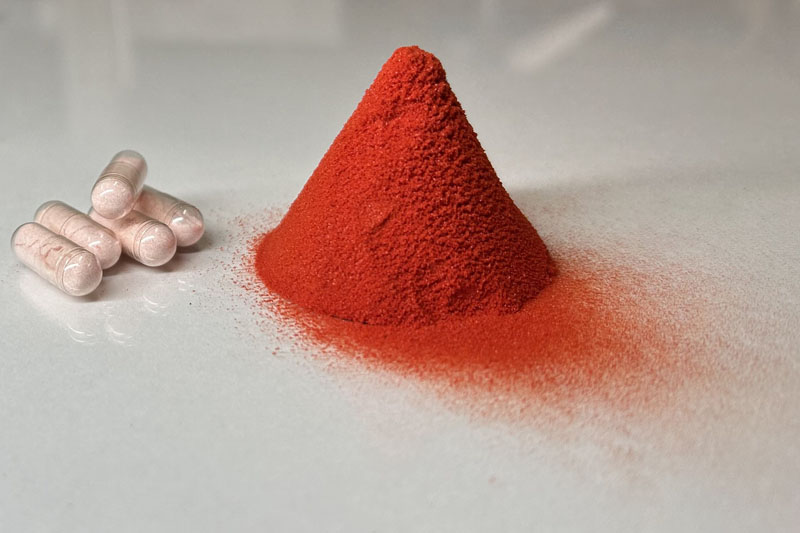
These dynamics are illustrated by recent developments in the production of MGCPQQ, a naturally derived form of pyrroloquinoline quinone (PQQ) produced by fermentation by Mitsubishi Gas Chemical (MGC) in Japan and sold throughout Europe.


