Omega-3 is moving beyond traditional softgels into formats such as liquids, gummies, emulsions, and functional foods, where sensory quality, stability, concentration, and absorption are increasingly important for consumer acceptance and product performance. While potency and sustainability have long defined the space, purification is now emerging as a critical factor shaping performance and consumer experience.
Recent market analysis of the U.S. omega-3 supplement category, including Amazon data reviewed by Pattern in collaboration with GOED, highlights a clear shift toward premiumisation. The global market reached approximately $8.4 billion in 2025, while the U.S. Amazon segment alone is valued at around $674 million, growing at an estimated 18% annually. Consumers are moving beyond basic fish oil toward higher-quality products defined by purity, concentration, format innovation, and brand trust.
In this evolving landscape, purification is no longer a background process, it is becoming a competitive and technological differentiator.
Omega-3 fatty acids such as EPA and DHA are inherently fragile molecules, highly sensitive to heat, oxygen, and aggressive processing. Conventional purification methods, often based on thermal or solvent-driven techniques, can introduce stress that compromises stability, increases oxidation, and impacts sensory quality.
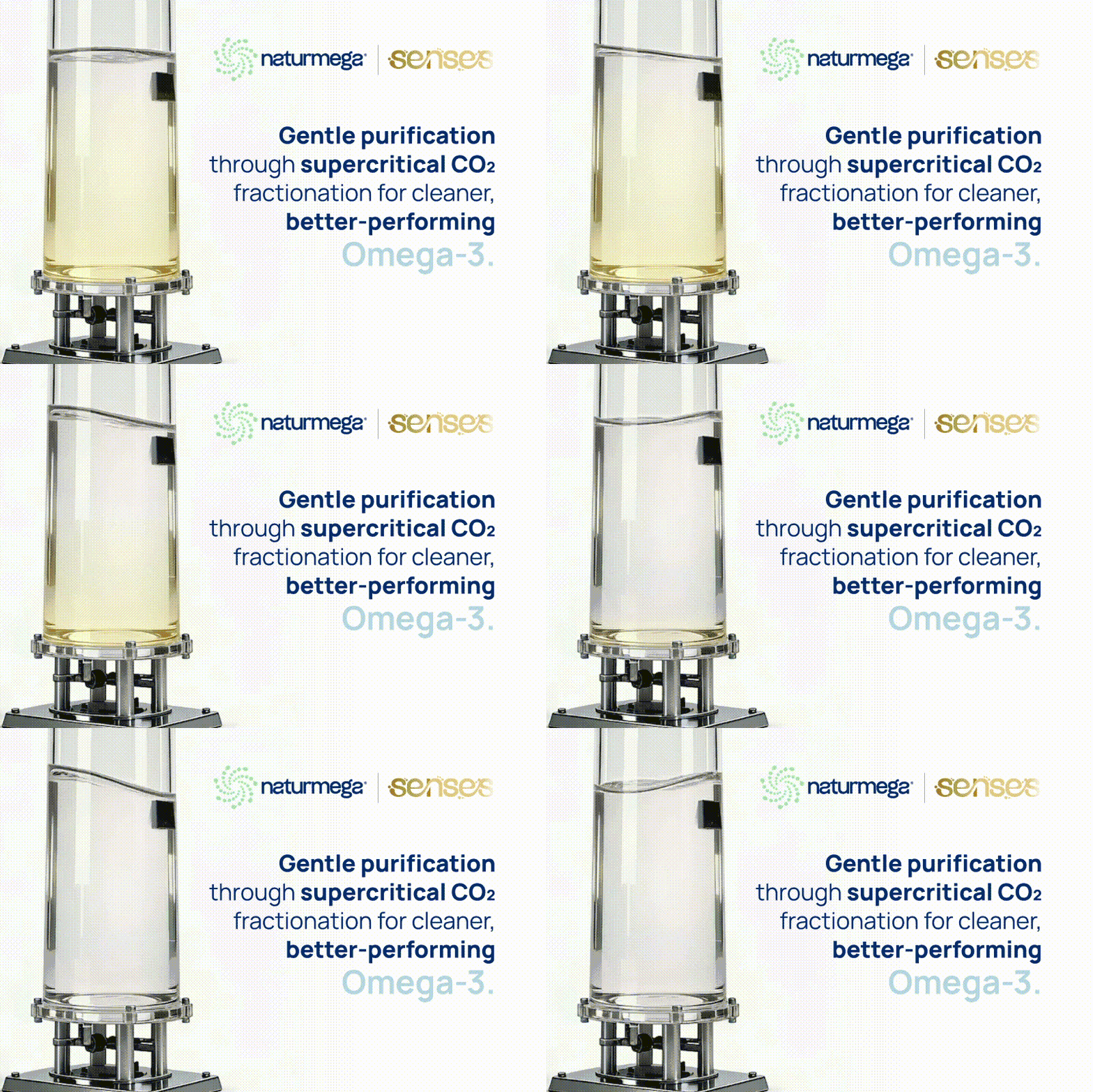
Supercritical CO₂ fractionation offers a more advanced and gentle approach. In its supercritical state, CO₂ behaves both like a liquid and a gas, enabling highly selective purification. This allows the removal of unwanted and oxidized compounds while preserving the molecular integrity of delicate lipids.
This technology remains a relatively specialised capability within the omega-3 industry. Due to the complexity and capital investment required, only a limited number of manufacturers operate these systems at industrial scale.
Naturmega, a Latin American manufacturer of advanced omega-3 ingredients, has positioned this technology at the core of its innovation platform. The company operates the largest closed-loop supercritical CO₂ fractionation platform dedicated to omega-3 globally, enabling greater process stability, finer molecular selectivity, and consistent performance at industrial scale.
The platform not only supports high-purity fish oil concentrates but also enables the purification and sensory optimisation of algae-based omega-3 solutions such as Algalis, high in DHA, as well as advanced lipid platforms like Ruby-O®, built on BPL-O3, supporting next-generation applications.
Regulatory expectations are also evolving. E-commerce platforms such as Amazon are introducing stricter requirements, including GMP verification for supplement listings making health claims, reinforcing the importance of robust manufacturing systems, traceability, and consistent quality.
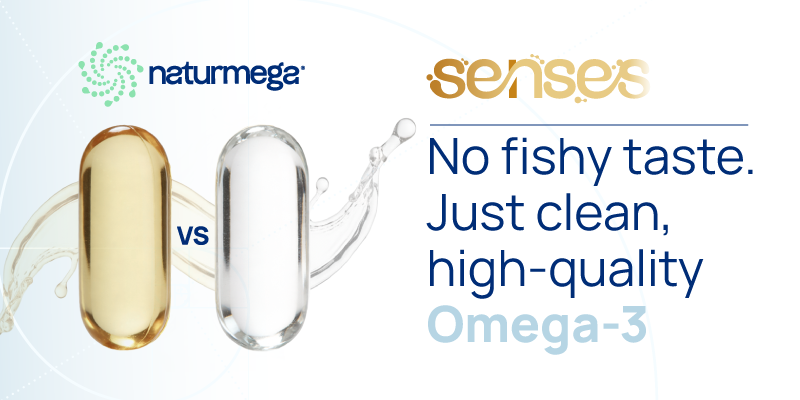
Beyond purification, the real transformation is happening at the consumer level. Naturmega’s Senses platform, built on its advanced purification infrastructure, focuses on delivering omega-3 oils with neutral taste, minimal odor, improved clarity, and enhanced stability, attributes increasingly critical as omega-3 expands into more demanding formats.
With the category continuing to premiumise, purification is no longer just about removing impurities. It is becoming a precision-driven capability that protects molecular performance, enables innovation, and ultimately defines how consumers experience omega-3.
In this context, selecting the right manufacturing partner becomes increasingly critical, as the technologies, infrastructure, and expertise behind purification directly influence product quality, consistency, and brand differentiation in a rapidly evolving market.