
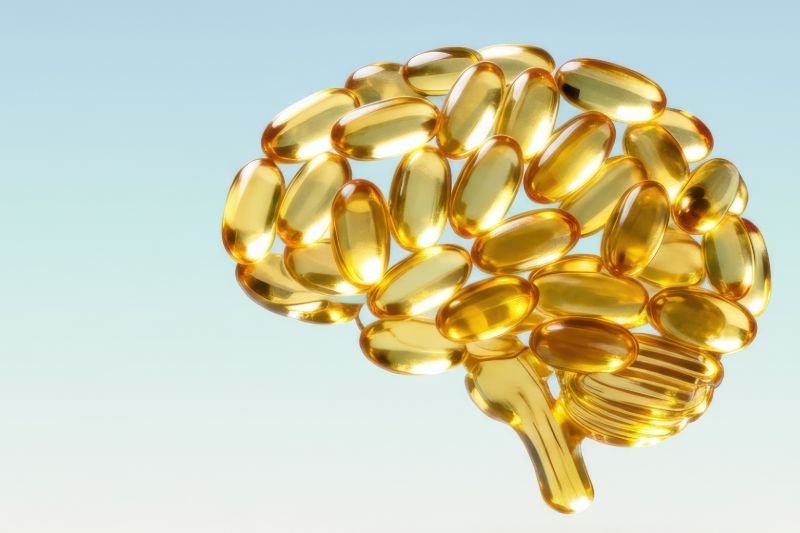
A major new analysis of more than 258,000 adults in the UK Biobank has found that higher blood levels of omega-3 fatty acids — including DHA, EPA, ALA and DPA— are consistently associated with lower risks of suicidal ideation, history of self-harm and future self-harm events.
The findings, published in Lipids in Health and Disease, add to growing evidence that omega-3s may play a meaningful role in supporting mental health.
The study
The researchers examined plasma omega-3 fatty acid levels measured via NMR spectroscopy and compared them with both self-reported and medical-record-verified outcomes related to self-harm and suicidal thoughts.
This research analysed data from 258,012 UK Biobank participants with available plasma omega-3 data, covariates and mental health outcomes.
The study assessed three categories of outcomes, including passive suicidal ideation and contemplation of self-harm, lifetime and past-year self-harm (self-report and medical records) and future incident self-harm events.
All models were adjusted for demographics, lifestyle factors, medication use, comorbidities and mental health history.
The median follow-up time was 13.7 years.
The results
The study results showed that participants with higher DHA, non-DHA omega-3s (ALA+EPA+DPA) and total omega-3s consistently showed lower odds of passive suicidal ideation, lifetime self-harm, past-year self-harm and future self-harm recorded in medical records.
Notably, individuals in the highest DHA quintile had 33% lower odds of a history of self-harm, while those in the highest non-DHA omega-3 quintile had 14% lower odds of passive suicidal ideation in the past year.
“Our findings show that individuals with higher plasma omega-3 levels — across DHA, EPA, DPA and ALA — consistently had lower risks of both past and future self-harm behaviours."
"While we cannot infer causality, the strength and consistency of these associations, particularly for medical-record-verified outcomes, point to a potentially important protective role for omega-3 fatty acids in mental health,” said Dr W. Grant Franco, the study’s lead author.
Dr William S. Harris, senior author and President and founder of the Fatty Acid Research Institute (FARI), added: “Omega-3 fatty acids, especially DHA and EPA, are known to support brain function and reduce inflammation."
"Our results align with previous research linking low omega-3 status to higher suicide risk."
"Given that omega-3 levels are generally low in Western populations, improving dietary intake or supplementation patterns may be a simple, safe strategy to support mental well-being — especially among those at elevated risk.”
Key takeaways
In the study, the authors highlight several important public health takeaways, including the following:
- Omega-3s may be a modifiable risk factor for self-harm and suicidal ideation, especially in populations with low habitual intake
- Associations were strongest for medical record-based outcomes, suggesting results are not driven by self-report bias
- Both DHA and non-DHA omega-3s contributed to the protective associations, indicating that a broad range of omega-3 sources may be relevant
- Given the low risks associated with omega-3 intake, dietary and supplemental strategies may be worth exploring in preventive mental health contexts.
The researchers also emphasised the need for randomised controlled trials to test whether increasing omega-3 levels can reduce self-harm behaviours or suicidal thoughts directly.


