

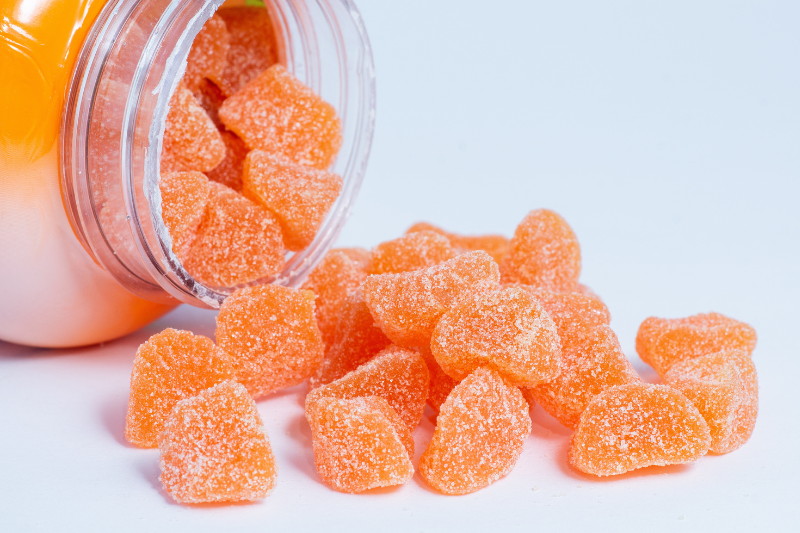
NOW has published the latest results from its ongoing marketplace testing programme, with analysis of vitamin C gummy supplements sold on Amazon revealing significant potency and stability concerns.
The company purchased two bottles of 30 vitamin C gummy products from Amazon.com in June 2026.
NOW and independent ISO 17025-accredited laboratory Alkemist Labs subsequently tested the products using high-performance liquid chromatography (HPLC), a chromatographic method designed to specifically quantify ascorbic acid.
The results
Of the 25 brands that NOW identified as raising questions, only 13 met their declared vitamin C potency at the time of testing.
Twelve products contained almost no detectable vitamin C, while four of the products that initially passed were projected to fall below their labelled potency before the end of their stated shelf life.
NOW said the findings highlight the particular formulation challenges associated with vitamin C gummies.
Vitamin C can degrade with time, making stability testing and appropriate overages important considerations when developing gummy supplements.
The company said its own stability studies have observed vitamin C losses of around 20% per year in some formulations.
The results also underline the importance of analytical method selection.
NOW warned that non-specific spectrophotometric assays can potentially produce inflated potency results when other gummy ingredients, such as sugars and flavourings, interfere with analysis.
In contrast, HPLC can separate vitamin C from related compounds to provide a more specific measurement.
The five brands tested by NOW that did meet their claims — Mary Ruth’s, Nature’s Way, New Chapter, Nordic Naturals and Solgar — passed potency testing with additional overages.
NOW’s own vitamin C gummies also met their label claim throughout their intended shelf life.
The company said it plans to share the findings with the FDA and Amazon and will continue to test supplements sold through major online marketplaces.
Wider concerns around supplement quality
The findings add to wider concerns around the quality and consistency of supplements sold through online marketplaces.
NOW has previously published what it described as “concerning” results from testing of St John’s wort supplements and lavender essential oils sold on Amazon, with several products failing potency testing or showing evidence of adulteration.
Similar issues have emerged in other supplement categories.
Testing by US-based nutraceutical company Cata-Kor found that six of the 12 top-selling glutathione supplements on Amazon failed to meet their labelled claims for glutathione content.
These findings highlight the challenges facing manufacturers, formulators and consumers when it comes to verifying the quality of supplements sold through third-party online marketplaces — and reinforce the importance of robust analytical testing and effective quality control throughout a product’s shelf life.


