
The shift is being driven by consumers who want the ritual of a coffee without the caffeine load.
According to market intelligence compiled by Laboratoire PYC, 60% of French adults now limit their caffeine intake to protect their sleep, whereas 63% of Italian Generation Z consumers say they want clearer labelling on caffeine content.
Sleep quality, the company notes, has become one of the leading reasons people are cutting back on coffee.
Crucially, though, few are willing to give up the habit altogether.
Instead, they are seeking drinks that replicate the sensory pleasure of coffee‚ its warmth, roasted notes and texture while delivering more targeted benefits such as energy, focus or relaxation.
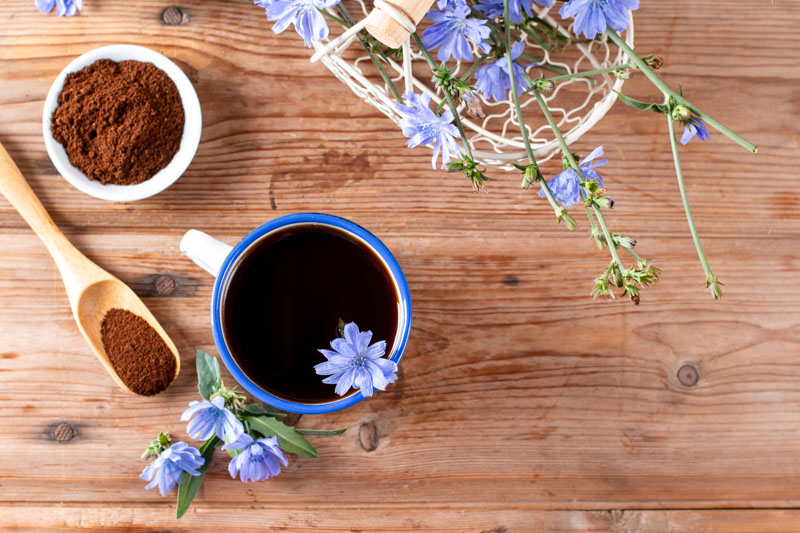
That has opened the door to a new generation of formulations built around botanicals, mushrooms and adaptogens, including matcha, Lion's Mane, rhodiola, ashwagandha and reishi, often paired with chicory or barley to mimic coffee's roasted character.
Collagen peptides are also finding their way into blends aimed at the beauty-from-within market. Matcha in particular is having a moment: 56% of UK Gen Z consumers now associate it with sustained energy and US consumption has climbed from 12% to 16% between 2021 and 2025.
Laboratoire PYC positions itself as an industrial partner across the whole development cycle, covering market intelligence, ingredient selection, sensory formulation, regulatory compliance and private label manufacturing.
Among its recent concepts is Collagen Skinfuse Matcha, unveiled at Vitafoods, which contains just 10 mg of caffeine per 100 mL compared with roughly 47 mg for instant coffee.
The company says it is seeing rising demand for brands sold through pharmacies and e-commerce.
"Consumers are not simply looking to reduce caffeine," said Aurélie De Schuyteneer, Marketing & Communications Manager at Laboratoire PYC.
"They want to preserve the pleasure and ritual of drinking coffee while enjoying functional benefits tailored to their needs. The real challenge is recreating the complete sensory experience while developing beverages that support energy, focus or well-being."
With more than 13,000 formulations, 650 functional ingredients and 300 international brands under its belt, Laboratoire PYC is betting that the coffee-alternative boom still has considerable room to run.


