

ClonBio Foods has announced it will build a commercial-scale production facility for FibAX, its native corn arabinoxylan fibre, at its site in Dunaföldvár, Hungary.
It said the investment will bring the brand's fibre to the global market at a commercial scale, following eight years of development.
The facility is expected to be operational in the second quarter of 2027 and will be dedicated to producing fibres from grains, with FibAX as its first product.
ClonBio Foods said the build will expand its Dunaföldvár ingredient production campus, which already houses the company's PurusPro barley protein operation.
The firm currently makes the fibre at pilot scale, with the new facility allowing it to produce the product at commercial volumes for the first time.
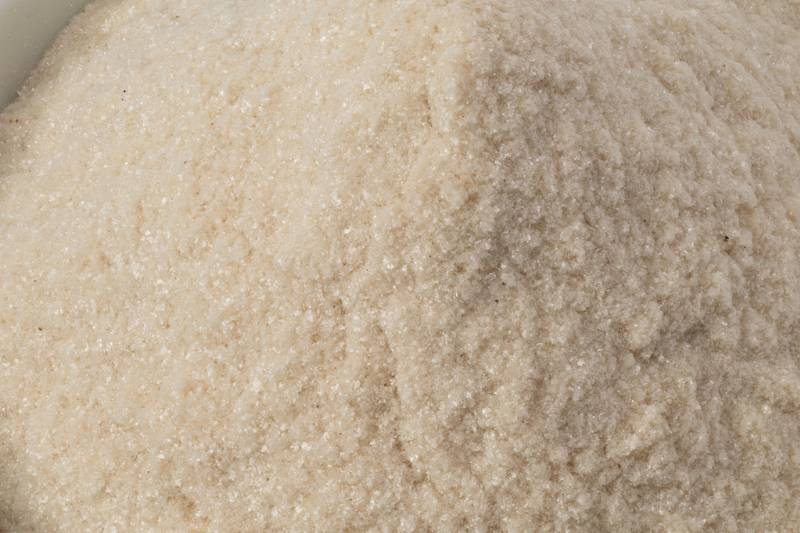
FibAX is a high-molecular-weight corn arabinoxylan, a prebiotic dietary fibre made up of arabinose and xylose molecules.
ClonBio Foods isolates the fibre intact from the grain's cell wall, preserving its natural length and native branched structure, which is why the company describes FibAX as a "native fibre."
"Arabinoxylan fibres have been studied for years and the science behind them is strong, but nobody has produced them at a commercial scale in their native form,” said Enda Ryan, CEO of ClonBio Foods.
We have spent years working out how to make this fibre consistently and at high quality and this facility takes it from a research-stage ingredient to one that brands can build premium products around. Moving to commercial scale lets us supply the volumes demanded by premium brands and products alike.
"For these premium brands developing gut health products, one of the biggest advantages is that FibAX delivers meaningful metabolic activity at a low dose."
"That gives formulators more flexibility while still supporting the gut health outcomes consumers are looking for."
 Research shows that FibAX produces about three times as many short-chain fatty acids as inulin during 24 hours and sustains this production longer due to fermentation further along the colon.
Short-chain fatty acids support gut health and overall metabolic function and FibAX encourages the growth of beneficial gut bacteria while maintaining microbial diversity.
Additionally, a controlled study with 53 participants found that cake reformulated with 1.5% FibAX resulted in a 30% reduction in sugar and a lower post-meal glucose response compared with standard and resistant maltodextrin.
Tolerance is also a key differentiator for the product, ClonBio Foods says.
Many prebiotic fibres can cause bloating and discomfort at higher doses, which has always limited how much brands can include. FibAX ferments slowly and is well-tolerated even at higher doses.
In a study at the Teagasc Moorepark Food Research Centre in Ireland, FibAX produced far less gas than inulin and resistant maltodextrin, with up to seven times less gas at the three- to six-gram doses typical of a daily serving.
“What further sets FibAX apart is that it combines low-dose activity with strong tolerance, two things brands often struggle to achieve with prebiotic fibres,” Ryan added.
We are starting to see strong demand across Europe and North America, as well as from Asian markets such as South Korea, where gut health and fermented foods are firmly part of the diet.
ClonBio Foods said that it sees the new facility as the "foundation for scaling its fibre technology further in the years ahead."


