

A new international clinical study published in Clinical Nutrition has revealed the molecular mechanisms through which dietary intervention can beneficially influence gene expression — with a nutrient-dense aquatic plant at the centre of the findings.
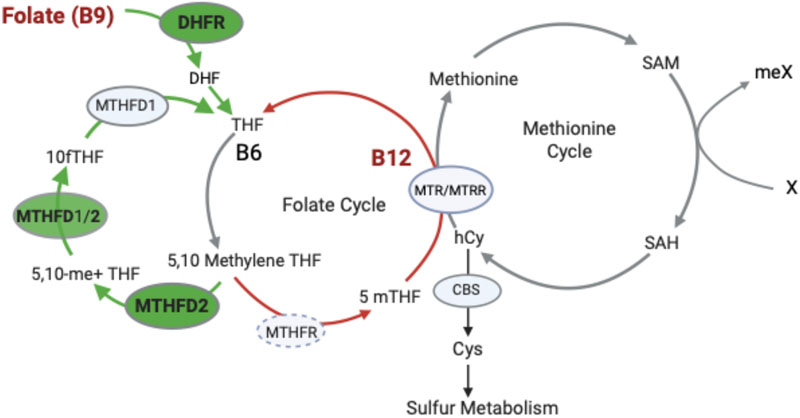
Led by Prof. Iris Shai (pictured) and Dr Hila Zelicha Peer from Ben-Gurion University of the Negev, in collaboration with Leipzig University and Harvard University, the research shows that adherence to the Green Mediterranean (Green-MED) diet significantly raises circulating folate levels — and that this increase actively fuels one-carbon metabolism, the biochemical pathway responsible for methylation processes that regulate gene expression and support metabolic health.

Participants following the Green-MED diet — a polyphenol-rich pattern incorporating green tea, walnuts and a daily shake containing the aquatic plant Mankai (Wolffia globosa), alongside reduced red and processed meat consumption — showed marked rises in serum folate.
These elevated levels were strongly associated with improvements in insulin sensitivity, reductions in inflammatory markers, including IL-6, better triglyceride-to-HDL ratios and reductions in both visceral and liver fat.
A particularly striking finding emerged from the study's nutrigenomic analysis. Researchers focused on a common variant of the MTHFR gene that impairs folate metabolism.
Carriers of the high-risk TT genotype typically exhibit lower folate levels throughout life and, in this study, those with low Mankai consumption saw an increase in cardiovascular risk score.
In contrast, TT carriers with high Mankai adherence demonstrated a 7.74-point reduction in cardiovascular risk, suggesting targeted nutrition can compensate for inherited metabolic disadvantage.
Transcriptomic analysis added further depth: blood mRNA data revealed that increased plant-derived nutrient intake triggered adaptive biological reprogramming in TT carriers, with upregulation of alternative folate-pathway genes, including MTHFD2 and DHFR, compensating for reduced enzyme activity.
Central to these effects is Mankai itself, which contains more than 45% protein, essential amino acids, fibre, minerals and naturally occurring bioavailable folate.
Participants with the highest Mankai intake showed the strongest folate response and the most pronounced clinical and transcriptomic changes.
The researchers describe folate as an "epigenetic pencil" that's capable of reshaping cellular health through nutrition without altering DNA.
Prof. Shai noted the findings strengthen the scientific basis for personalised nutrition.
Dr Zelicha Peer added that Mankai's bioavailability may help to compensate for inherited metabolic challenges and support long-term health.
The study forms part of the DIRECT-PLUS trial, one of the most comprehensive nutrition and imaging studies conducted to date.


