

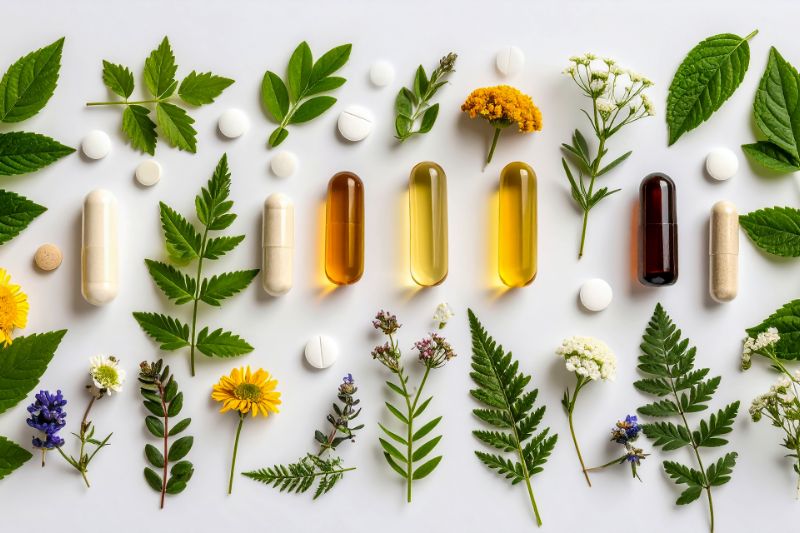
In a booming plant-based nutraceutical market, ensuring product safety has never been more critical.
Consumers are increasingly seeking natural and sustainable supplements, but the very ingredients that make these products appealing can also carry a higher risk of bacterial contamination than supplements made with synthetic actives, where microbial load is easier to control.
Regulatory frameworks set strict limits regarding what concentrations of microorganisms are acceptable, but compliance alone isn’t always enough to guarantee safety.
Manufacturers must adopt robust, proactive strategies to mitigate contamination at every stage of production, from raw material sourcing to final formulation.
Certain supplements, particularly those derived from leafy greens, herbs or other soil-grown plants, are more vulnerable to microbial risks, making vigilant detection and decontamination critical.
The most common culprits for bacterial contamination are Staphylococcus Aureus, Burkholderia cepacia, Pseudomonas aeruginosa, Salmonella enterica and Bacillus cereus, which are responsible for a number of dietary supplement recalls.
E. Coli, S. Aureus, Aspergillus and Penicillium have also been known to inhabit products, as well as Listeria.
This article explores the regulatory landscape, highlights the types of supplements most at risk and outlines practical steps manufacturers can take to safeguard quality and consumer trust.


