
A newly published peer-reviewed review in Nutrients (January 2026) highlights ubiquinol, the bioactive potent antioxidant that produces vital adenosine triphosphate (ATP) energy in the mitochondria, as a critical and potentially conditionally essential nutrient for male and female fertility, particularly during reproductive years and with advancing age.

Authored by Dr Emma J. Derbyshire, Prof Sergej M. Ostojic and Dr Ahmed T. Alhamar, the review synthesises emerging evidence linking oxidative stress, mitochondrial dysfunction and declining reproductive outcomes, with a particular focus on egg quality, sperm quality and reproductive ageing, positioning ubiquinol as a pivotal intervention target for fertility support.
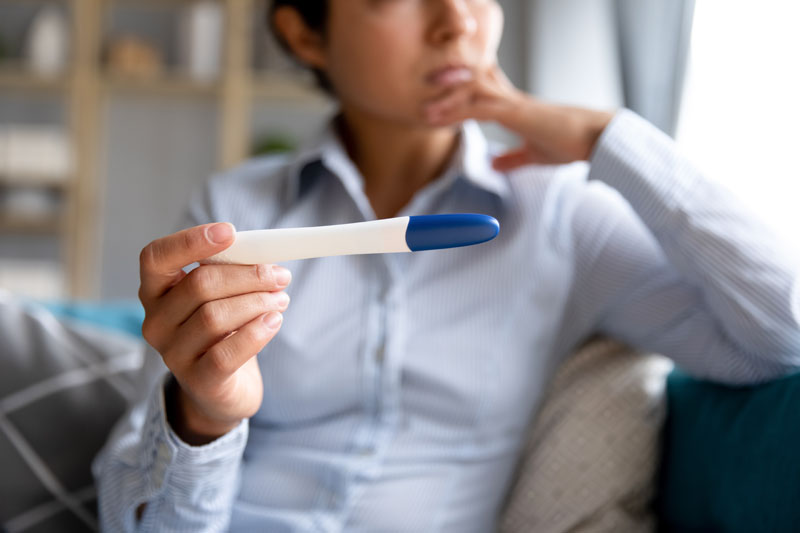
Infertility remains a multifactorial condition with rapidly increasing rates globally. The World Health Organisation (WHO) lists fertility rates at 1 in 6 people, with oxidative stress driven by natural ageing and lifestyle factors such as smoking, excessive alcohol intake and obesity being causative factors affecting fertility.
In addition, exposure to environmental pollutants and environmental toxins can be directly toxic to gametes (eggs and sperm), resulting in their decreased numbers and poor quality.
“Gametes and early embryos are among the most energy dependent and oxidative stress-sensitive cells in human biology,” said Dr Derbyshire, key researcher.
“The review explains that Ubiquinol plays a dual role in reproductive physiology, driving mitochondrial bioenergetics and providing potent antioxidant support at the cellular level.”
“These functions are critical for egg quality, sperm motility, morphology and density, oocyte competence and early embryo development, which are key determinants of successful conception,” Derbyshire said.
A key differentiator highlighted in the review is the age-associated decline in endogenous ubiquinol synthesis.
As physiological demands increase during reproductive years – particularly with advanced maternal and paternal age – internal production may no longer meet cellular requirements.
This creates a scenario in which ubiquinol shifts from a non-essential to a potentially conditionally essential nutrient, increasing reliance on dietary sources or targeted supplementation, according to the review.
The review authors emphasise the clinical and practical relevance of ubiquinol’s superior bioavailability and efficacy compared with oxidised coenzyme Q10 (CoQ10).
As the main biologically active form, ubiquinol is immediately available for mitochondrial energy production and antioxidant defence – an important consideration for fertility formulations, where timing and cellular efficiency are important.
Filip Van hulle, General Manager at Kaneka Nutrients Europe, the sole global supplier of bioidentical, bioactive ubiquinol, said: “The review provides a strong scientific rationale for fertility-focused formulations incorporating Ubiquinol as a differentiated, evidence-backed ingredient.”
“It also positions Ubiquinol beyond general wellness and into targeted reproductive health solutions, for females and males,” he added.
Although the review calls for continued clinical investigation, it contributes to a growing shift in how fertility support may be approached, moving from general antioxidant supplementation to more targeted mitochondrial nutrition strategies.
“For healthcare practitioners, the findings support the integration of Ubiquinol into evidence-informed nutritional strategies addressing both male and female infertility, including populations affected by reproductive ageing and fertility preservation considerations,” concluded Derbyshire.


