
As monacolins move out of the European market due to safety concerns, the search is on for new approaches to cholesterol management and broader cardiometabolic health. The opportunity, however, goes beyond finding a one-for-one replacement. Increasingly, attention is turning to ingredients that can engage complementary biological pathways while bringing robust clinical evidence to the formulation.
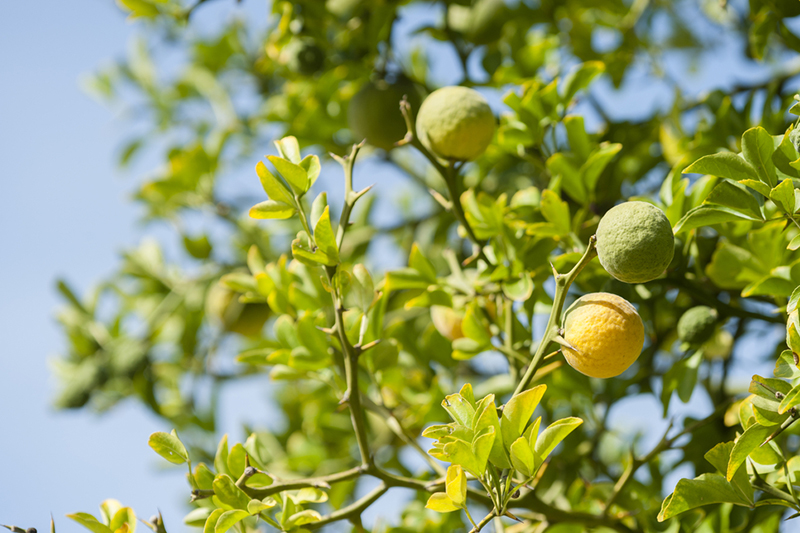
This is where bergamot, a citrus fruit traditionally cultivated in Southern Italy, becomes particularly relevant. Unlike an isolated active compound, the whole bergamot phytocomplex contains a complex combination of naturally occurring bioactive compounds, including pectins, flavonoids and polyphenols. Preclinical and clinical research suggests that these compounds may act through multiple pathways involved in lipid metabolism and cardiometabolic regulation. This multi-target profile provides the scientific rationale for exploring bergamot as a broader approach to cardiometabolic support.
Kalita® has been developed around this principle, using the whole bergamot phytocomplex rather than focusing on a single isolated constituent. Its potential therefore goes beyond simply offering a substitute for monacolins: it provides a different nutritional strategy, supported by clinical research investigating its effects on key cardiometabolic parameters.
The rationale is particularly relevant in the current regulatory and market environment. As formulators move away from monacolin-based products, there is an opportunity to develop solutions that combine a well-defined mechanism of action with evidence of efficacy in humans. For an ingredient to become a credible alternative, however, scientific plausibility alone is not sufficient. Clinical substantiation is essential to demonstrate whether the proposed mechanisms translate into meaningful effects in practice.
This is a key distinction for Kalita®. Its development is based on the premise that the biological complexity of a whole phytocomplex can be an advantage when addressing a multifactorial area such as cardiometabolic health. Rather than replicating the single-target model of monacolins, Kalita® takes a broader approach, bringing together the naturally occurring constituents of bergamot with clinical evidence supporting its use.
As the category enters a post-monacolin era, the most relevant question may therefore not be which ingredient can replace monacolin K, but which scientifically supported strategies can offer a more comprehensive way forward. Kalita® illustrates how a clinically studied botanical, grounded in the biological activity of a whole phytocomplex, could form the basis of the next generation of cardiometabolic solutions.


