
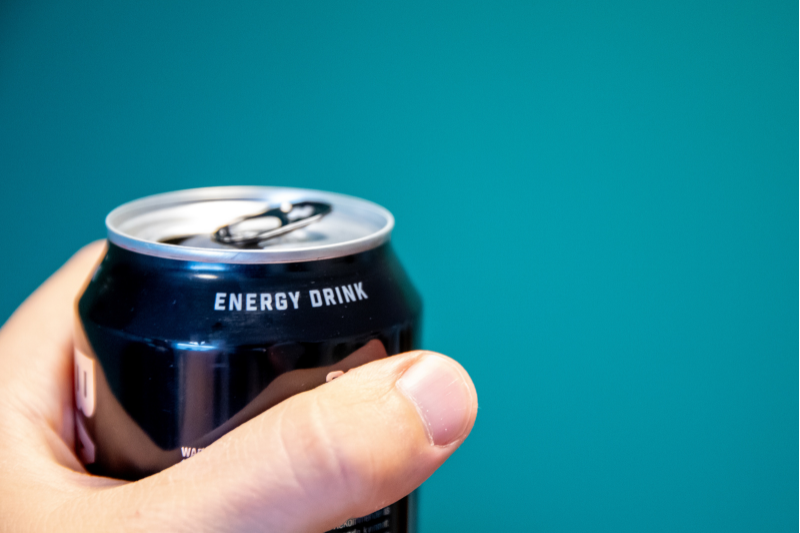
India is remaining resolute in its decision to ban makers of high-caffeine beverages from describing them as "energy drinks," rejecting efforts from beverage giants Pepsi, Red Bull and Monster to delay the regulatory intervention.
The country's food safety regulator (FSSAI) ordered manufacturers to stop using the term earlier this month, arguing that there were no Indian standards for such products and that claims around boosting the body, mind, or general weakness can be misleading.
It targeted companies such as Pepsi, Red Bull, Monster Beverage, billionaire Mukesh Ambani's Reliance and Hell Energy, who have retaliated, saying removing the category label could confuse consumers, damage brands built around instant-energy claims and disrupt a market built almost entirely around instant-energy messaging.
However, at a closed-door meeting with senior industry executives last Friday, FSSAI Chief Executive Rajit Punhani reportedly rejected these arguments, giving companies in India 90 days to change their labelling.
Energy drinks face a shifting landscape
The decision comes as the energy drink market is booming.
In India, the fast-growing market is expected to be worth $1.6bn by 2028. Companies such as Pepsi have seen huge success, with the launch of Sting in 2017 proving popular among 15- to 19-year-olds and in rural areas, helping make it a market leader.
However, attitudes towards highly caffeinated beverages are changing.


