Food supplements and medicines remain distinct, yet they increasingly share a central question: how can an active ingredient reach the body in a form that delivers a measurable effect?
The answer lies in bioavailability: the amount of an active compound that is absorbed and available to act.
At Activ’Inside, bioavailability is built into ingredient development from selection, formulation science and mechanism of action to clinical validation.
Rather than simply adding botanicals to a format, Activ’Inside designs solutions that maximise their ability to reach the body.
This approach starts with a simple question: what determines whether a botanical compound can be absorbed and used?
Why molecular profile matters more than total content
With botanical ingredients, more does not always mean better. Activ’Inside showed this in a clinical study comparing grape extracts with the same total polyphenol content (65%) but different levels of smaller polyphenols, known as monomers (Figure 1).
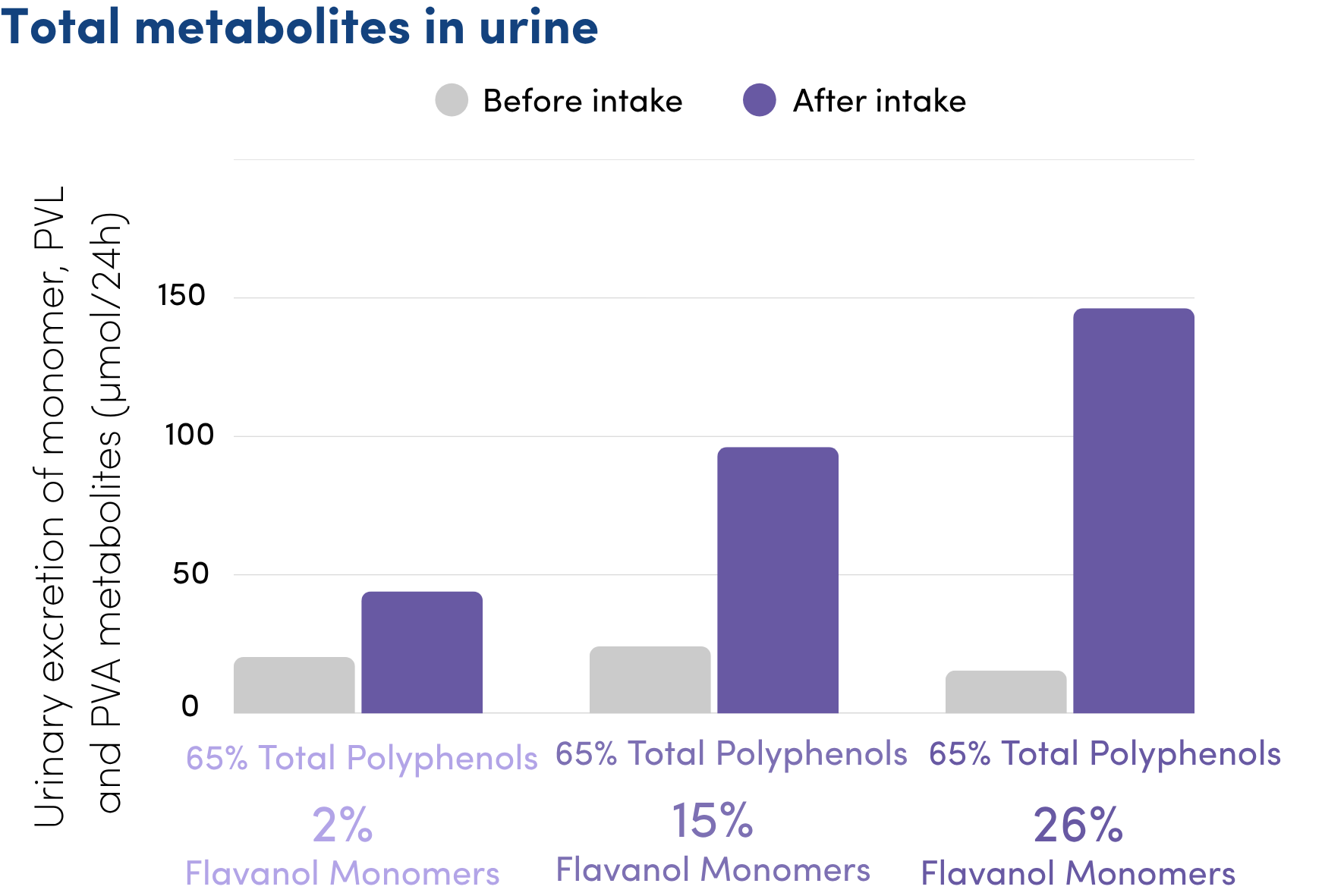
Figure 1: Total metabolites in urine
Extracts richer in flavanol monomers achieved higher absorption and systemic exposure.
Bioavailability therefore depended on molecular profile, not simply total polyphenol quantity.
According to the pharmaceutical principle: value depends on what the body can absorb.
Designing the right matrix to preserve bioavailability
A powerful active ingredient is only effective if it can be released, absorbed and used.
Bioaccessibility — the release of active compounds from the supplement matrix during digestion — is therefore a first step in maximising bioavailability.
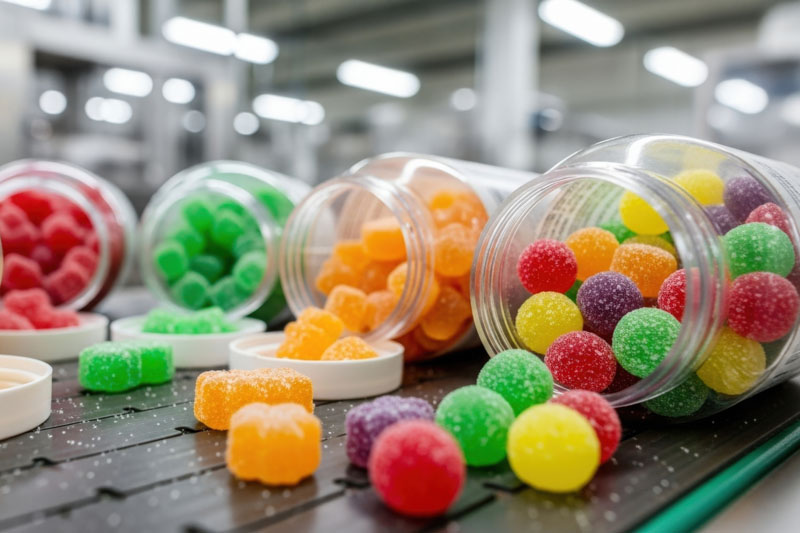
As gummies become one of the fastest-growing supplement formats, the challenge is to create an appealing dosage form and keep sensitive botanicals stable, protected and available for absorption.
A scientifically engineered matrix can help to preserve bioavailability and support biological effects.
Clinical research showed that flavanol monomer metabolites delivered in a gummy achieved plasma and urinary profiles comparable with capsules, demonstrating that a well-designed gummy matrix can preserve bioaccessibility (Figure 2).
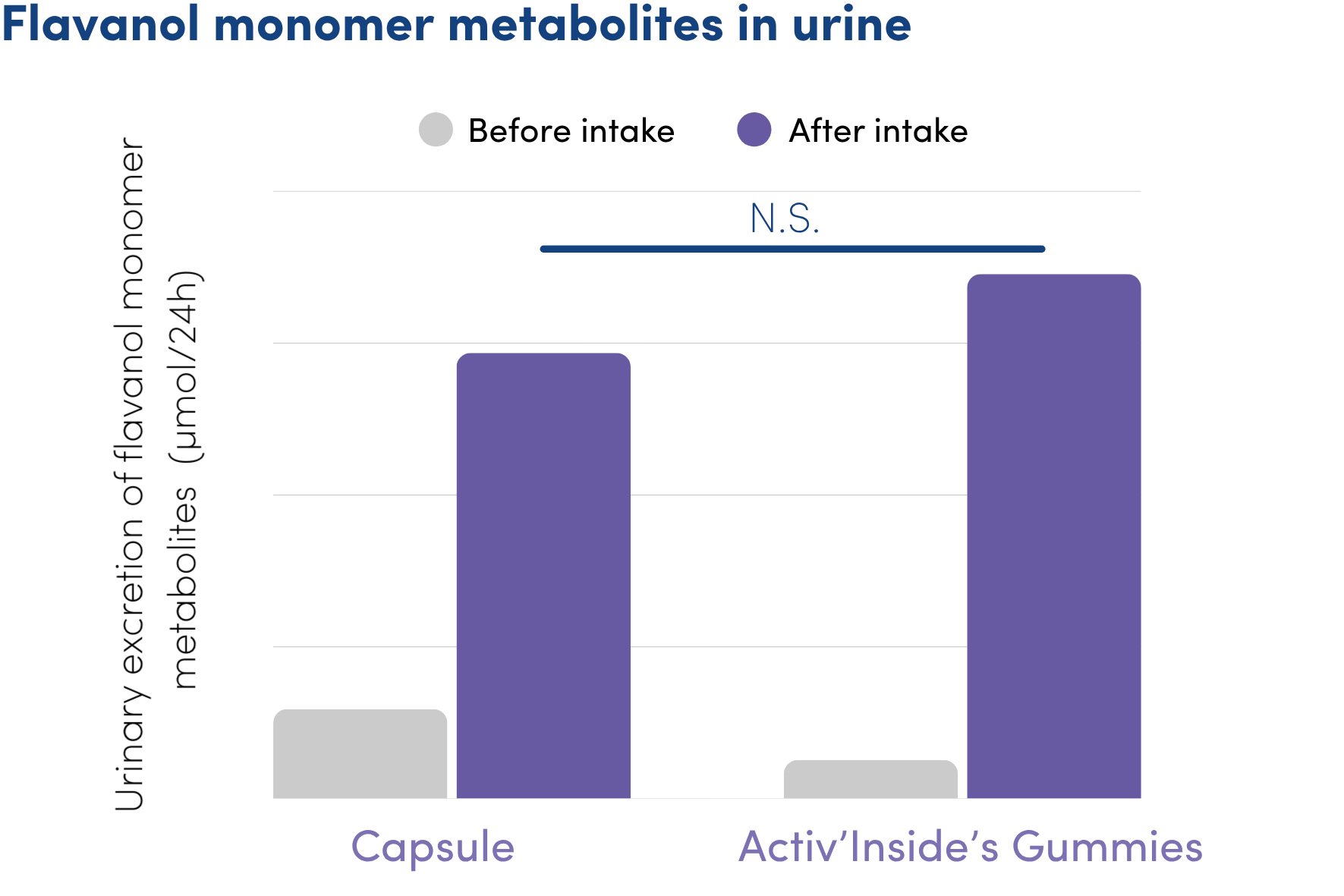
Figure 2: Flavanol monomer metabolites in urine
But bioavailability is not only about absorption. The ultimate test is whether a format supports measurable outcomes.
Safr’Inside™, Activ’Inside’s patented saffron extract, has demonstrated clinical efficacy in an Activ’Inside-developed gummy format, with improvements in subjective and objective sleep quality and beneficial changes in gut microbiota linked to the gut–brain axis.
These findings show that the matrix is designed not only for consumer appeal, but also to deliver clinically validated active ingredients effectively.
A pharmaceutical mindset for the future of nutraceuticals
Nutraceuticals are not becoming medicines, but they increasingly require scientific rigour.
Understanding molecular composition, optimising delivery systems, protecting sensitive compounds and demonstrating efficacy through human clinical studies are becoming essential pillars of next-generation development.
The true value of a nutraceutical is not measured by what appears on the label, but by what reaches the body, acts on its target and delivers benefits.