
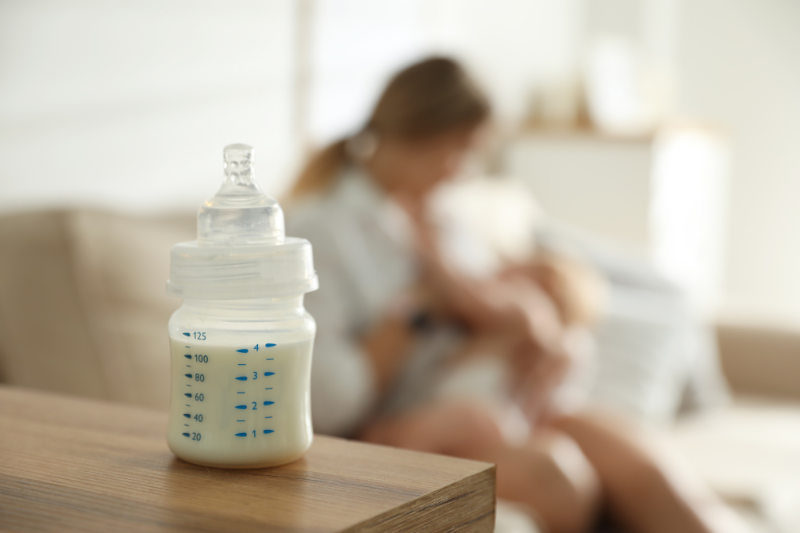
Recalls of several infant formula products following the detection of cereulide toxin are currently ongoing in several different countries.
Companies such as Danone, Nestlé, Lactalis and Hochdorf have been embroiled in the tainted formula scandal, the source of which is thought to have originated from a supplier of arachidonic acid oil.
Cereulide is a toxin produced by the bacterium Bacillus cereus.
The European Commission has now asked EFSA to deliver urgent scientific advice to support risk management decisions across the EU.
In its rapid risk assessment, EFSA’s scientists established an acute reference dose (ARfD1) for cereulide in infants and established cereulide concentrations in infant formula of potential safety concern.
The new advice is intended to help EU risk managers determine when products should be withdrawn from the market as a precautionary public health measure.
It is the first time that the agency has set a threshold for cereulide. If adopted by the European Commission and EU member states, the decision could lead to fresh recalls.
Key scientific findings
EFSA’s scientists proposed a health-based guidance value for infants of an ARfD of 0.014 μg/kg body weight for cereulide.
Emesis (vomiting) is the critical acute adverse effect used to set the ARfD, which was derived using benchmark dose modelling.
Because very young infants (below 16 weeks) metabolise substances differently from adults, EFSA took a cautious approach and added an extra safety factor when setting an ARfD.
EFSA also calculated consumption values used to estimate acute exposure. For infant formula, EFSA confirmed that a value of 260 mL per kilogram of body weight remains appropriate for estimating short-term (24-hour) exposure.
For follow-on formula (which is generally not consumed by infants younger than 16 weeks), EFSA confirmed a value of 140 mL per kilogram of body weight for the same purpose.
These values are based on the higher end of what infants typically drink, so that the assessment stays conservative.
By comparing the ARfD with these high consumption values, EFSA concluded that cereulide concentrations in reconstituted (liquid) infant formula above 0.054 μg/L for infant formula and 0.1 μg/L for follow-on formula may lead to safe levels being exceeded.
Why this matters
Though the infant formula industry is highly regulated, it still struggles to balance infant nutrition and safety.
This challenge is compounded by increasingly complex formulations and extended global supply chains, as manufacturers add functional ingredients such as fatty acids, vitamins and bioactives to more closely replicate breast milk.
EFSA’s decision to set a quantitative threshold for cereulide marks a shift towards more defined regulatory expectations, raising the bar for ingredient sourcing, supplier oversight and analytical testing.
For infant formula manufacturers and ingredient suppliers, the new guidance could translate into tighter quality controls, enhanced screening of high-risk raw materials and greater scrutiny of third-party suppliers.
If adopted by EU risk managers, the thresholds may also trigger precautionary recalls, carrying significant financial, reputational and operational implications for companies operating in this space.
Businesses that proactively strengthen risk assessment frameworks and invest in robust traceability and testing capabilities may be better positioned to mitigate disruption and maintain market confidence as regulatory expectations continue to evolve.


