
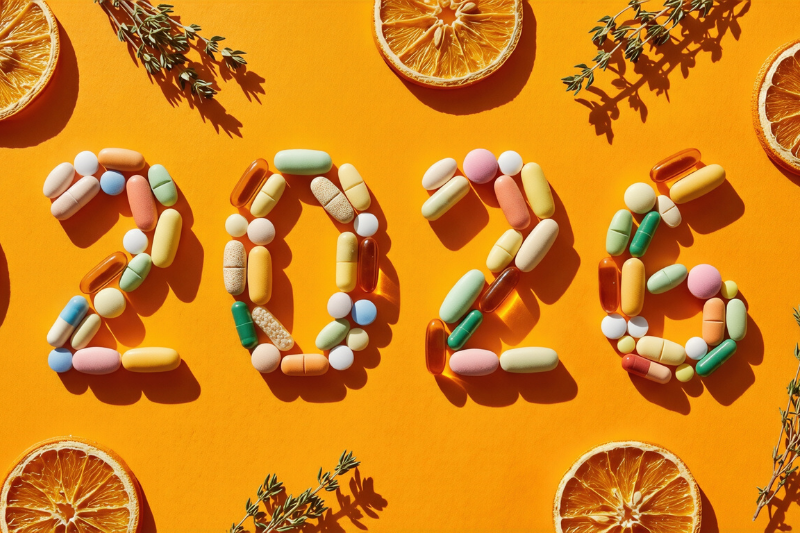
Consumers are moving away from ‘quick fixes’ and shifting towards more holistic, long-term, preventative health strategies.
Aaron Quinn, Deputy General Manager at Vantage Nutrition, believes that in 2026, we will see continued and sustained growth in everyday supplementation and offers his predictions for the year ahead.
Sleep continues to dominate as a wellness category
Consumers increasingly understand that sleep is essential to their health and well-being and are looking to supplements to help them unwind and recover.
The markets agree. According to a recent report from Future Market Insights, the sleep supplement market is growing steadily and will continue to do so into next year and beyond.
Estimated to be valued at $7.5bn in 2025, it is projected to reach $12.8bn by 2035, registering a compound annual growth rate (CAGR) of 5.4% more than the forecast period.
Anecdotal evidence from our customers also suggests that when it comes to sleep supplements, consumers are more confident and comfortable with trusted, evidence-backed formulations such as lavender, saffron and vitamin B6.
I believe that this trend for research-led supplements that promote clarity, calm, deep rest and cognitive recovery will lead the market in 2026 and beyond.
The GLP-1 effect
The rapid rise in prescriptions for GLP-1 medications to help treat obesity and reduce weight-related health risks is transforming the dietary patterns, appetite regulation and body composition for people around the world.
However, the significant weight loss associated with these drugs is not without its side effects, which can range from muscle loss to fatigue.
As such, I believe we will see further development – and demand – for GLP-1 companion nutrition, such as supplements that support muscle retention, fibre intake, gut health, micronutrient balance and sustained metabolic energy.
Younger consumers champion ‘positive ageing’
The days of ‘anti-ageing’ creams, serums and supplements are numbered.
While the desire for longevity shows no signs of slowing, the language and focus are changing from one of denial to that of awareness.
It is no longer just about living longer, but about putting healthcare regimes in place to help us achieve a better quality of life as we age.
We will see this trend toward ‘positive ageing’ continue to grow in 2026, with millennials – and increasingly younger consumers – investing in maintaining or improving their mobility, cognition, immunity and recovery.
I predict product development will follow suit. We will continue to see steady growth next year in supplement areas including joint health, bone density, cognitive performance and sustained vitality.
This expansion is being driven by increased consumer awareness of factors that impact long-term health and functional well-being.
Women’s health market still set to thrive
A key example of the growing prevalence of targeted nutrition, female-focused wellness will continue to accelerate in 2026. Even though this sector is heavily promoted, it is far from saturated.
Increased awareness campaigns from Hollywood stars through to local GPs are helping to remove the taboo of talking about women’s health and supporting this growth trend across a range of categories, including hormonal balance, fertility, menopause, cognitive wellbeing and sexual wellness.
Building on the positive ageing trend mentioned above, I believe we will also see rising demand for ingestible supplements designed to improve beauty from within. This includes products that help to brighten and balance skin tone and increase elasticity.
Personalised nutrition enters the mainstream
Reflecting the broader shift in health from reactive ‘quick fixes’ toward proactive self-management, personalised nutrition is moving into the mainstream.
In 2026, I expect this trend to manifest in increasingly targeted formulations – from gender- and age-specific supplements through to personalised 'biohacking kits.'
These customisable systems will allow consumers to tailor their own support for sleep, stress, mood, metabolic health and performance.


