Mobility, Strength and Quality of Life in Healthy Aging
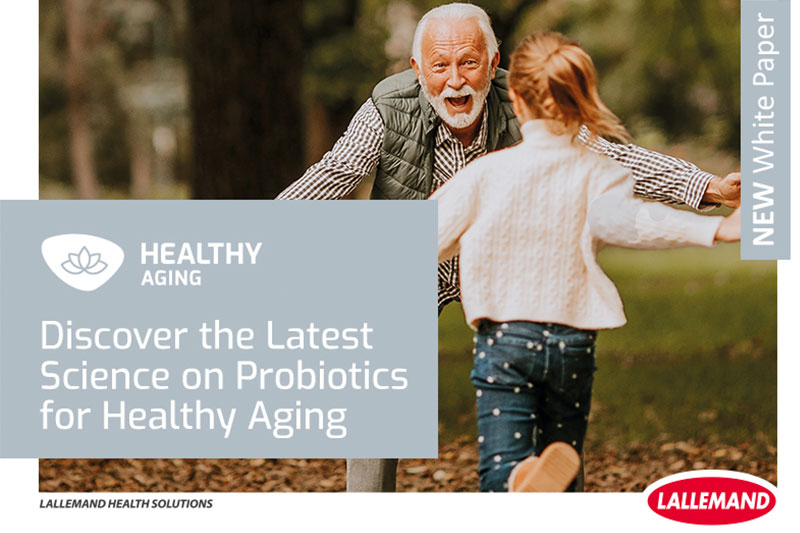
As global populations age, the conversation around healthy aging is evolving. The goal is no longer simply to extend lifespan, but to increase healthspan, the number of years people remain active, independent and in good health. This shift is creating new opportunities for nutrition and supplement brands to develop science-backed solutions that support quality of life throughout the aging journey.
The demographic drivers behind this trend are significant. By 2030, one in six people worldwide will be over the age of 60, and by 2050, this population is expected to surpass two billion. At the same time, consumers across generations are becoming increasingly proactive about maintaining their physical and mental well-being. Mobility, independence and vitality are among the top priorities for adults seeking to age well, creating growing demand for targeted nutritional interventions.
Among the emerging areas of interest, the gut microbiome has gained recognition as a central regulator of healthy aging. Once associated primarily with digestive health, the microbiome is now understood to influence a broad range of physiological functions, including immunity, metabolism, cognition and muscle health. Researchers increasingly view it as a strategic target for addressing several interconnected mechanisms involved in aging, including chronic low-grade inflammation and age-related changes in microbial diversity.
A particularly promising area of research is the gut-muscle axis. Muscle mass and function naturally decline with age, contributing to frailty, reduced mobility, loss of independence and increased risk of falls. Emerging evidence suggests that the composition of the gut microbiota influences muscle function through inflammatory pathways and the production of metabolites such as short-chain fatty acids. As microbial diversity decreases with age, these changes may accelerate functional decline. Conversely, healthier microbial profiles have been associated with better aging outcomes.
Recent clinical research is providing further insight into how microbiome-focused interventions may support mobility and muscle health. In a randomized, double-blind, placebo-controlled study conducted in Australia, 64 healthy adults aged 60 to 85 received Cerenity, a probiotic formulation combining three proprietary strains with inulin, over a 16-week period. Participants maintained their usual diet and exercise habits throughout the study, allowing researchers to isolate the effects of supplementation.
The study demonstrated significant improvements in several validated measures of physical function. Participants receiving the intervention experienced gains in handgrip strength, mobility and balance, as measured through Handgrip Strength, Timed Up and Go (TUG), and Short Physical Performance Battery (SPPB) assessments. Researchers also observed positive changes in muscle morphology, particularly within the quadriceps region, with some benefits persisting after supplementation ended.
These findings reflect a broader trend within the healthy aging category. For the nutraceutical industry, successful innovations are increasingly expected to deliver measurable, evidence-based benefits rather than broad wellness claims. As the emphasis shifts from adding years to life toward adding life to years, microbiome-targeted solutions are emerging as a promising avenue for supporting mobility, independence and overall quality of life in aging populations.