
Consumers interested in preserving joint function and relieving discomfort span a wide demographic range.
People in physically demanding jobs often experience wear and tear in their knee joints.
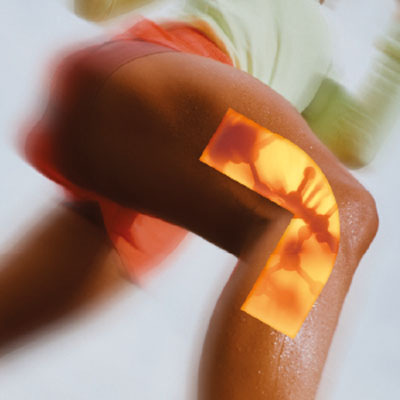
According to the US National Institutes of Health, manual workers are up to 2.5 times more likely to develop knee osteoarthritis than those in sedentary occupations.
Repeated squatting, kneeling, heavy lifting and prolonged standing accelerate knee cartilage degradation.
Professional athletes often seek joint-health support and this market is growing.
For example, Luca Roth, an award-winning German ski jumper, includes a fermented chondroitin sulphate in his training routine.
The French basketball team, Denain Voltaire, also protects their joints with fermented chondroitin supplementation.
A large share of the joint-support pie comes from health-oriented adults who exercise for wellness.
The 2026 European Health & Fitness Market Report shows a hefty growth in total gym memberships, which reached an all-time high of 75.5 million people.1
In Europe, nearly 60% of the population participates in sports, with 17% exercising more than three times per week.
Health agencies such as the National Health Service (UK) and physicians typically recommend that adults engage in at least 150 minutes of moderate-intensity exercise or 75 minutes of vigorous-intensity activity weekly.
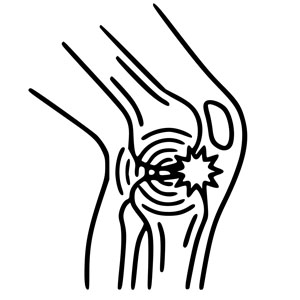
Although regular exercise provides well-established health benefits, high-intensity and prolonged physical activity places significant mechanical stress on the musculoskeletal system, particularly joint structures such as the knees, which are exposed to repeated loading.
Factors impacting joints
Sustained mechanical stress hastens metabolic degradation of the cartilage matrix and generates the release of proinflammatory biochemicals from surrounding tissues.
This creates a self-reinforcing loop of mechanical stress and inflammation.2
Elevated loading from intense physical force on load-bearing joints also influences the remodelling of subchondral bone (the bone layer underneath the joint cartilage), further disrupting the distribution of mechanical forces within the joint and compromising cartilage integrity.3
Further, cartilage has limited regenerative capacity and is therefore vulnerable to these processes.
In healthy older adults, age-related slowdown in chondrocyte activity reduces the synthesis of collagen and proteoglycans, which are primary cartilage matrix components.
This progressively weakens cartilage’s structural resilience and its ability to tolerate mechanical stress.
During ageing, these mechanisms may contribute to degenerative joint conditions such as knee osteoarthritis, a chronic disease characterised by progressive cartilage degradation, joint pain and functional impairment.2
Consider fermented chondroitin
Chondroitin sulphate remains a top-selling joint-support supplement, but animal-sourced chondroitin requires up to 1200 mg daily for a clinically shown effect.
A more dosage-friendly, sustainable and consistent option is a novel chondroitin (MyCondro®) made with a fermentation process using micro-organisms.

In one study, participants with moderate knee osteoarthritis who supplemented with fermented chondroitin (FC) daily for 3 months showed a significant reduction in the Western Ontario and McMaster Universities (WOMAC) score by 19% and a 14% improvement in the Tegner Lysholm Knee Score.
Further, proinflammatory markers CRP and ESR were reduced in the FC group.3
In a subsequent study, obese adults with moderate knee osteoarthritis also showed improved knee function/comfort and reduced inflammation in only 2 months, based on decreased WOMAC scores and reduced plasma CRP levels.4
This latter study reveals yet another ripening target market for joint support products: obese and overweight individuals taking GLP-1 or another weight-loss regimen.
As people begin to lose weight, they often embrace a more holistic approach to health, incorporating exercise and a nutrient-dense diet.
Supplements often fit into this renovated wheelhouse, too.
References
- www.healthandfitnessbusiness.org/may2026/global-voices-europeactive-report.
- https://jogh.org/2025/jogh-15-04173.
- https://pubmed.ncbi.nlm.nih.gov/31470599/.
- https://pmc.ncbi.nlm.nih.gov/articles/PMC7762287/.