Further to the evidence presented in Part I, and according to the intake of the respective study products, the children evaluated their individual physical and sleep complaints in the “Physical Complaints Questionnaire.”

Clear results showed that MPH led to significantly more adverse effects in the children than Pycnogenol or the placebo, including mood changes, gastrointestinal symptoms, insomnia, headache and a feeling of tachycardia.
After 10 weeks of intake, the frequency of adverse events described by the children was 39% in the MPH group, 9% in the placebo group and 8% in the Pycnogenol group.
Additionally, MPH led to a loss of appetite and significant weight loss, whereas children taking Pycnogenol maintained a physiologically appropriate weight gain for their age group.3
Interestingly, NPY — “the hunger neuropeptide” responsible for ensuring food intake and reducing anxiety and stress — was significantly reduced by 21% after MPH intake and non-significantly increased by 11% in the Pycnogenol group.
The researchers concluded that with the almost complete lack of adverse effects, Pycnogenol is a good and efficacious alternative for MPH in children’s ADHD, especially in the school environment.
Another double-blind, randomised, placebo-controlled clinical study conducted in Slovakia showed that Pycnogenol intake relieved hyperactivity and improved attention in children with ADHD (Figure 2).4 Sixty-one children aged 6–14 took 1 mg/kg of Pycnogenol per day for 4 weeks.
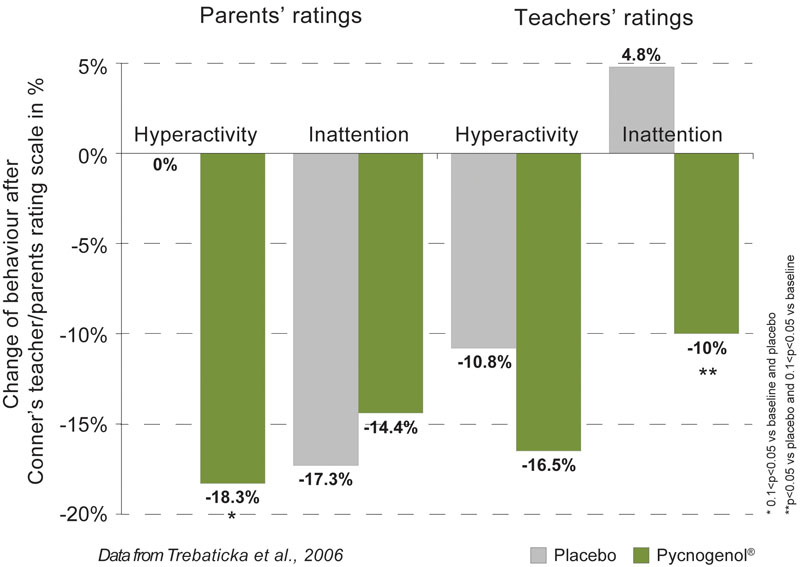
Figure 2: Child hyperactivity and inattention rated by parents and teachers in the Conner's teacher/parents rating scale
Results from the Conners Rating Scale showed a significant decrease (18.3%) in hyperactivity and a 14.4% improvement in attention compared with the placebo and baseline after taking Pycnogenol for one month (as rated by parents).
Teacher ratings had a similar outcome: a reduction of hyperactivity (16.5%) and a significant amelioration of inattention (10%).
In the placebo group, no significant effects were observed. During the entire study, no side-effects after Pycnogenol supplementation were reported.
Interestingly, the levels of stress hormones (catecholamines, including adrenaline, noradrenaline and dopamine) after Pycnogenol supplementation in ADHD-affected children were normalised.5
The concentration of these stress hormones in children with ADHD was five times higher than in healthy children.
This effect of Pycnogenol partly explains its mechanism to reduce hyperactivity.
High levels of oxidative stress can damage proteins, lipids and DNA. Oxidative DNA damage was quantified by measuring 8-oxoG (8-oxo-7,8-dihydroguanine) levels as a biomarker of oxidatively damaged purines.
The occurrence of oxidative DNA damage was four times higher in children with ADHD compared with healthy children. Pycnogenol significantly protected DNA from oxidative damage.
After 4 weeks of Pycnogenol intake, DNA damage decreased by 26.2% compared with baseline and by 35.4% compared with the placebo.6
In addition, Pycnogenol normalised total plasma antioxidant status and increased glutathione levels — a key marker of cellular antioxidant capacity in children with ADHD.6,7
After one month, Pycnogenol intake significantly decreased oxidised glutathione (GSSG) by 22% and increased reduced glutathione (GSH) by 26.8% compared with baseline.9
In contrast, levels of oxidised and reduced glutathione were not significantly changed after placebo intake. These results help to explain how Pycnogenol reduces ADHD symptoms by improving the body’s antioxidant defences.
Back to university and work routine
Back-to-school season impacts more than students: parents are adjusting family routines and professionals are refocusing after summer holidays, looking for ways to support focus, memory and mental performance.
Pycnogenol was shown to help cognitive function throughout different life stages, including university students and young adults.8,9
In an 8-week study with healthy students aged 18–27, the effects of Pycnogenol on cognitive function and mental performance were investigated using different computerised tests (Figure 3).8
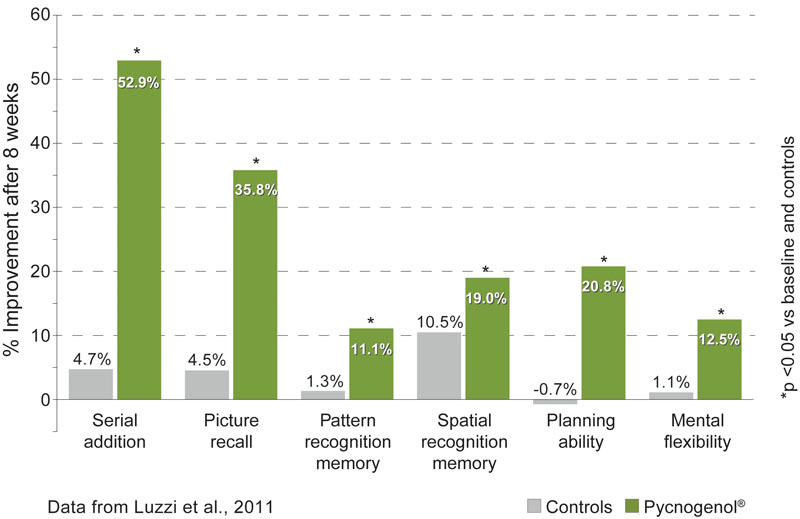
Figure 3: Cognitive test outcomes in healthy students
The students showed significantly improved attention in terms of better serial addition abilities (+52.9% versus +4.7% in the control group) and increased memory skills (+35.8% versus +4.5% for picture recall, +11.1% versus +1.3% for pattern recognition memory and +19% versus 10.5% for spatial recognition memory).

Planning ability and mental flexibility also increased after taking Pycnogenol for 8 weeks. Consequently, the study found that the supplemented students performed better by 7.6% on their university exams compared with those in the control group.
Another study evaluated the effects of Pycnogenol on cognitive function, attention and mental performance in a group of 60 healthy professionals aged 35–55.9
Among other items, improved attention (+9.8%), mental performance (+8.9%) and memory (+3.6%) were observed after Pycnogenol supplementation.
Overall cognitive function was improved by 10% in the Pycnogenol subjects compared with a slight increase of 4.3% in the control group.
Again, plasma oxidative stress levels were reduced in the Pycnogenol group, partly explaining its beneficial effects on cognitive function.
Pycnogenol, the French maritime pine bark extract, is a safe and evidence-based solution that supports the health of young brains by naturally decreasing inattention and hyperactivity.
In addition, Pycnogenol, as part of a healthy back-to-school routine, has been shown to boost concentration and mental performance in students and healthy adults.
A full list of references is available in Part I.