

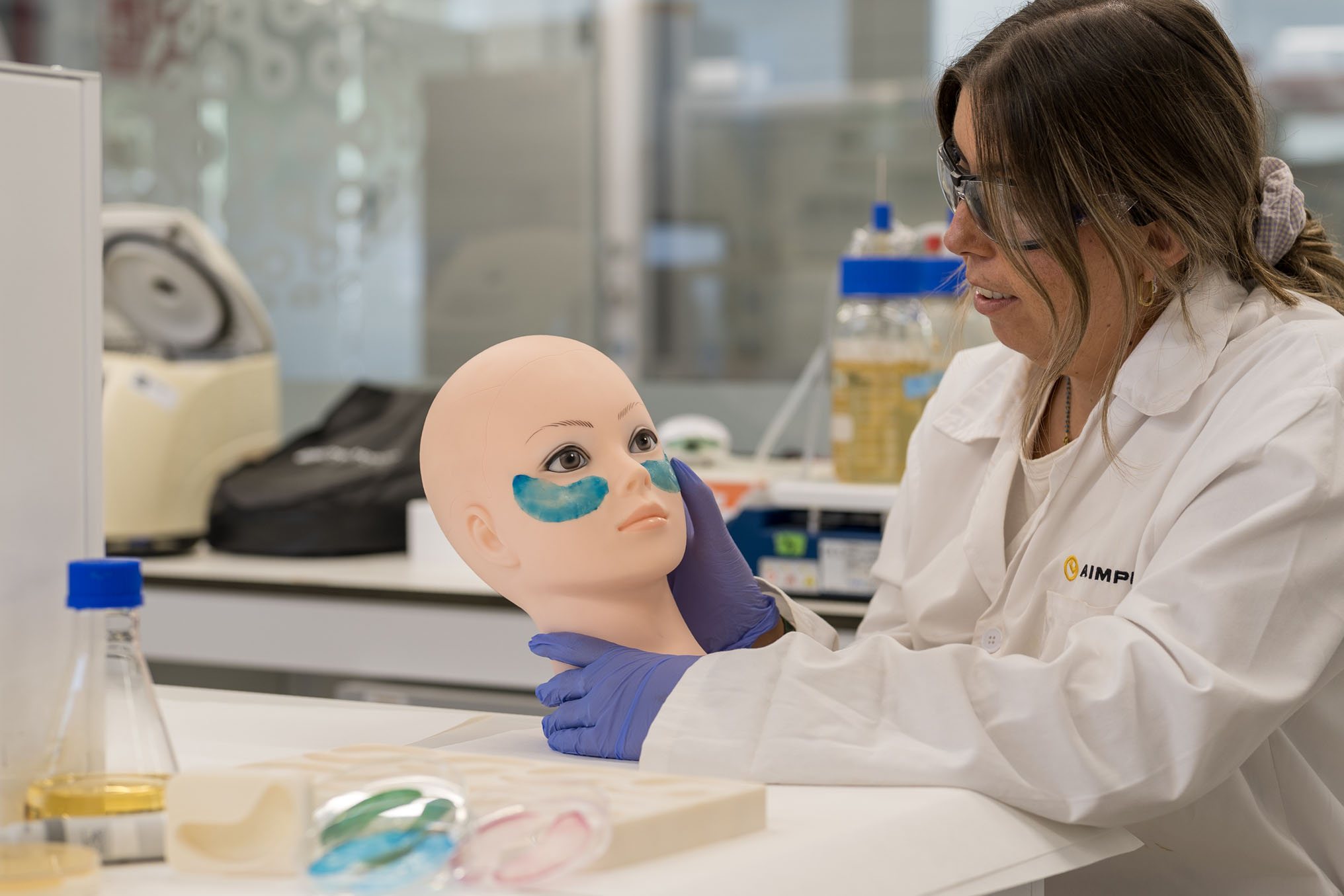
Beyond cosmetics, this biodegradable material could support burn dressings, ulcer treatment and skin regeneration.
Heat, sun exposure and prolonged air conditioning can dehydrate skin after summer.
AIMPLAS is therefore exploring bacterial cellulose, a 100% natural biopolymer, to create biobased, renewable hydrogel face masks that deliver skincare active ingredients.
Bacteria of the Komagataeibacter genus, found in fermentations such as vinegar, kombucha and nata de coco, mainly produce bacterial cellulose.
As they grow, they form a flexible, durable network of nanofibrils that retains large amounts of water.
This structure fits the face like a “second skin,” making it an ideal carrier for cosmetic active ingredients.
According to María José de Manuel, Biotechnology Researcher at AIMPLAS: “Bacterial cellulose offers strong potential for sustainable, high-performance cosmetics."
"Its water retention, flexibility and skin conformity make it ideal for facial masks and delivering cosmetic active ingredients.”
Its flexibility and water retention make bacterial cellulose attractive for cosmetics. As a biodegradable, synthetic-fibre-free material, it is also a greener alternative to many conventional products.
Beyond facial masks
Bacterial cellulose also has healthcare potential. Its biocompatibility, water absorption and nanoporous structure suit skin-care and recovery applications.
It can be used in burn, wound and ulcer dressings and patches or to deliver active compounds in a controlled way.
It may also support tissue regeneration and new healthcare biomaterials.
“Bacterial cellulose can support innovative skin-care and biomedical solutions. It is natural, biodegradable and well suited to sustainable, high-value products,” said María José de Manuel.
A natural material with lower environmental impact
Cellulose, the planet’s most abundant organic polymer, traditionally comes from plants.
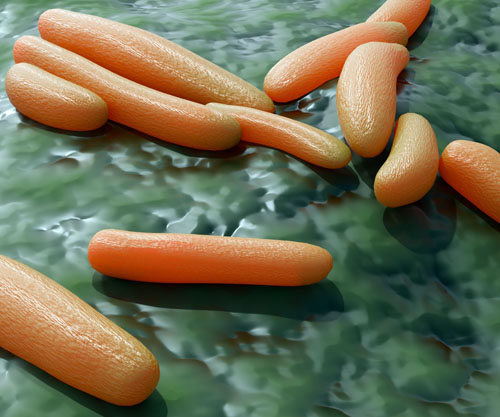
Bacterial cellulose offers a biobased alternative produced through fermentation with fewer forestry resources.
It is also highly pure because it lacks lignin and hemicellulose, whose removal from plant cellulose requires extra processing.
Other benefits include biodegradability, flexibility, transparency and exceptional water absorption and retention.
These properties make bacterial cellulose promising for cosmetics, medicine and biotechnology.
By developing such materials, AIMPLAS advances biomaterial research for more innovative, functional and environmentally friendly products in cosmetics and healthcare.


